
Allied Technical Air Intelligence Units
The origins of the ATAIU lay in the early years of the Pacific War, a time when Allied pilots found themselves outmanoeuvred and outgunned by Japanese aircraft whose capabilities were poorly understood. To address this intelligence gap, the United States Navy, Army Air Forces, and the Royal Australian Air Force established the first Technical Air Intelligence Unit in Brisbane, Australia, in November 1942. The mission was clear: to recover, examine, and evaluate captured Japanese aircraft, providing Allied forces with a detailed understanding of enemy technology, tactics, and industrial capacity. This intelligence would prove invaluable, not only for immediate combat operations but also for the development of future Allied aircraft and countermeasures.
As the war progressed, several such units were formed across the Pacific and Southeast Asia. The ATAIU for South East Asia, for instance, was a joint RAF-USAAF venture created in Calcutta in late 1943, while similar teams operated in the Pacific Ocean Areas and China. Their work was both dangerous and methodical. Teams of specialists often found themselves close to the front lines, locating, identifying, and evaluating crashed or captured aircraft. They meticulously documented serial numbers, engine configurations, cockpit layouts, and armaments. The condition of each aircraft—whether riddled with bullet holes or nearly pristine—offered clues about the state of Japanese war production and the effectiveness of Allied attacks.

Reaching these wrecks was a challenge in itself. Many Japanese aircraft had gone down in remote jungle or mountainous terrain, or had plunged into the sea. ATAIU personnel frequently relied on local guides to cut paths through dense vegetation, using machetes and improvised cradles woven from tree bark to transport heavy engine components back to base. The hazards were not limited to the environment: souvenir-hunting Allied troops often stripped aircraft of parts before the intelligence teams could arrive, a problem that persisted throughout the war.
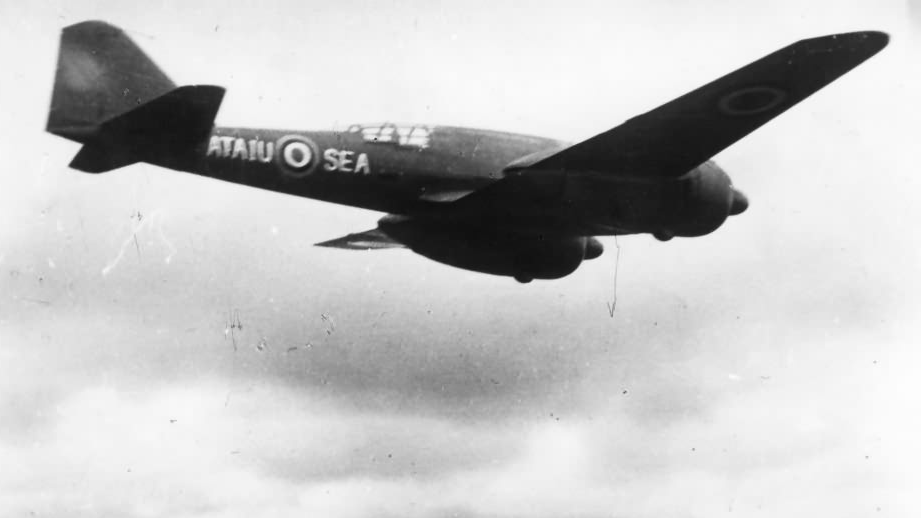
Once recovered, aircraft that could be repaired were rebuilt and test-flown. These flights revealed the strengths and weaknesses of Japanese designs. Early evaluations of the Nakajima Ki-43 “Oscar,” for example, suggested it was superior to the Spitfire V at low altitudes, a finding that prompted urgent revisions to Allied tactics. Other aircraft, such as the Mitsubishi A6M Zero, were subjected to exhaustive tests to determine their vulnerabilities and performance characteristics. The ATAIU also played a crucial role in developing the Allied code name system for Japanese aircraft, which became a vital tool for recognition and communication among Allied forces. They produced detailed recognition charts and photographs, ensuring that pilots and ground crews could quickly identify enemy aircraft in the heat of battle.

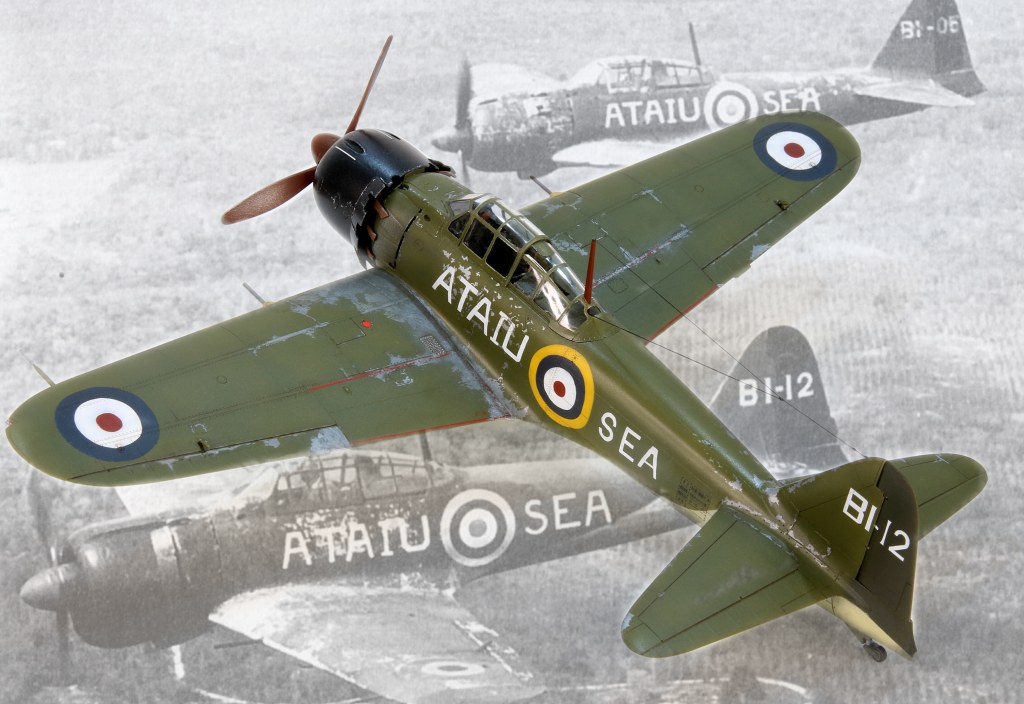
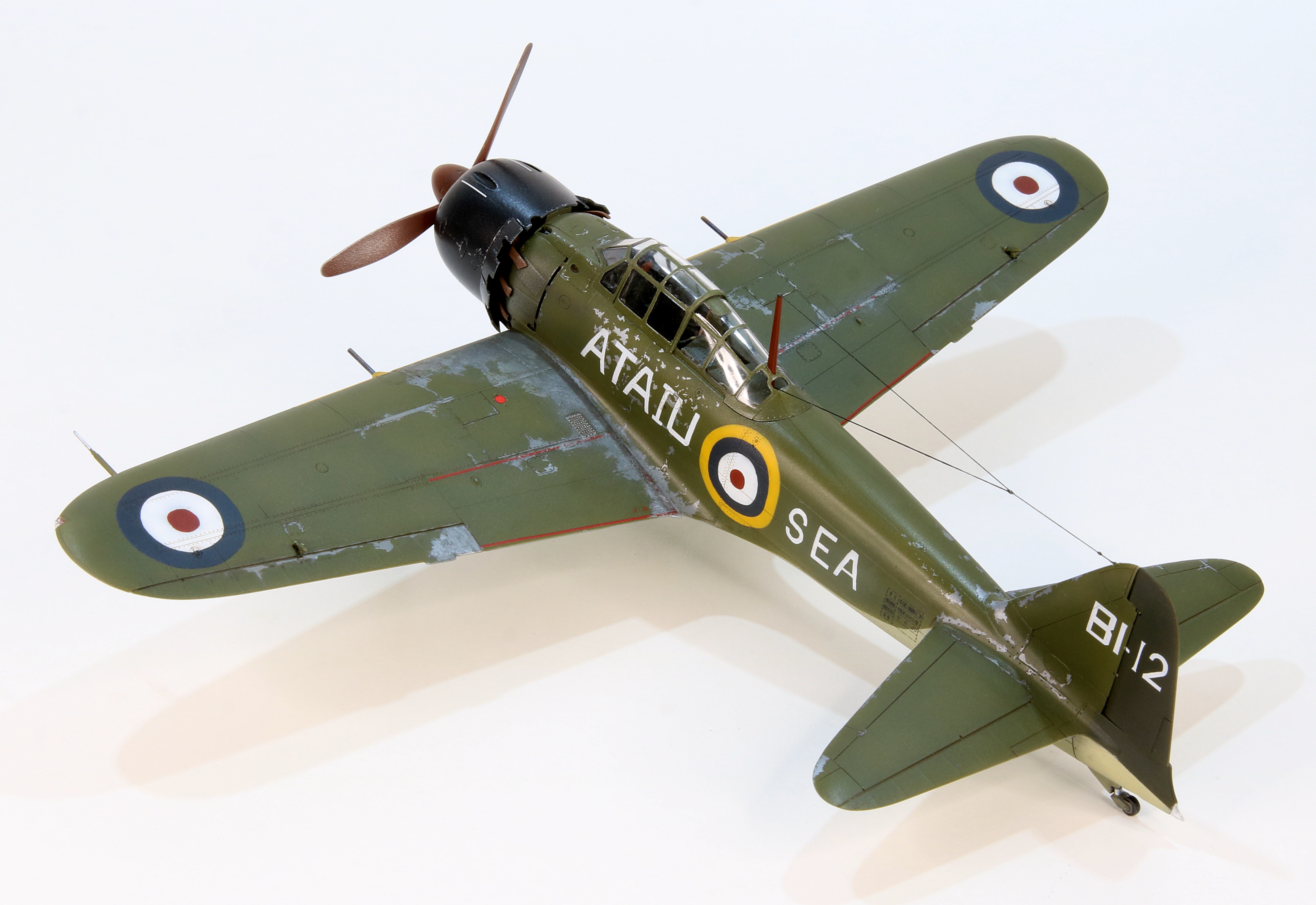
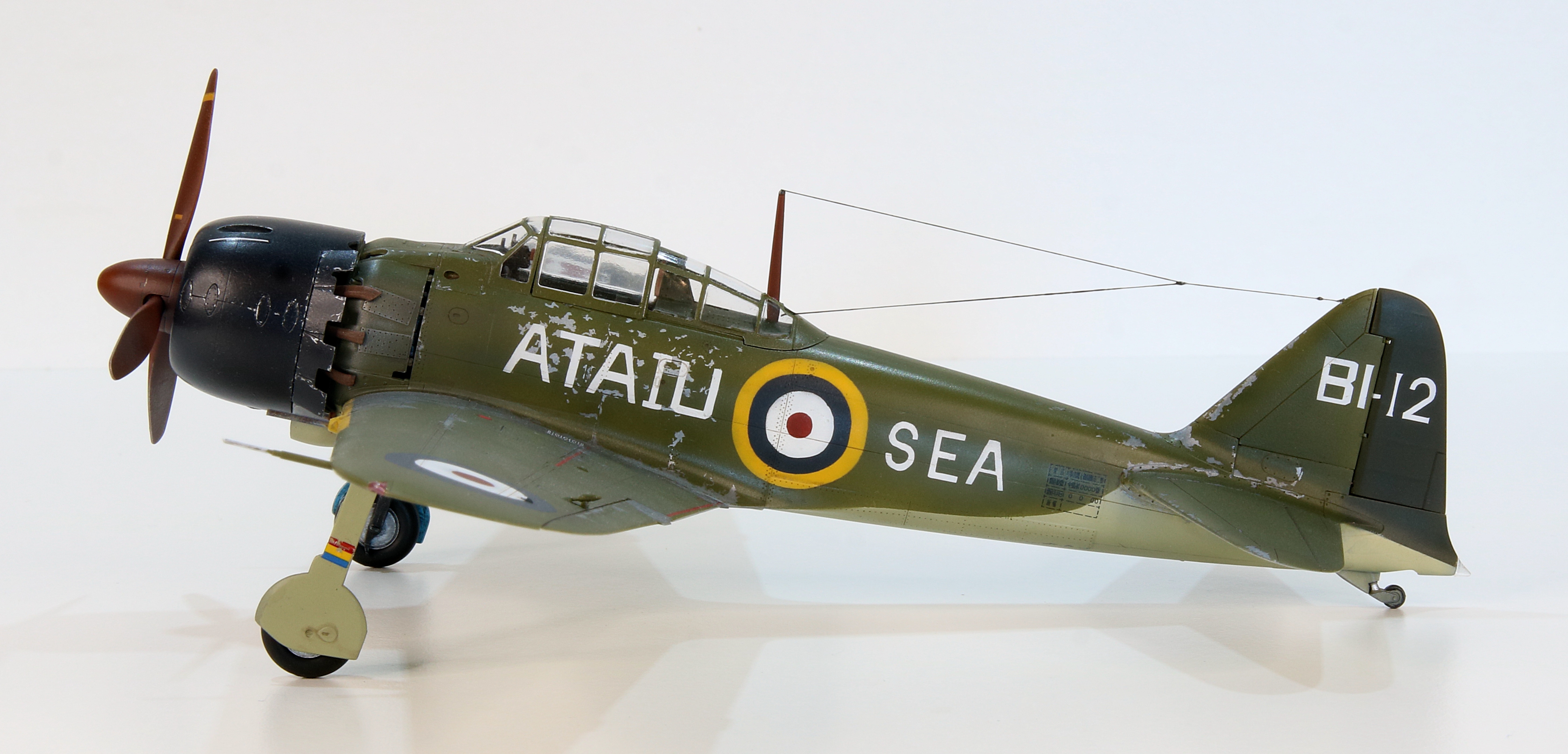
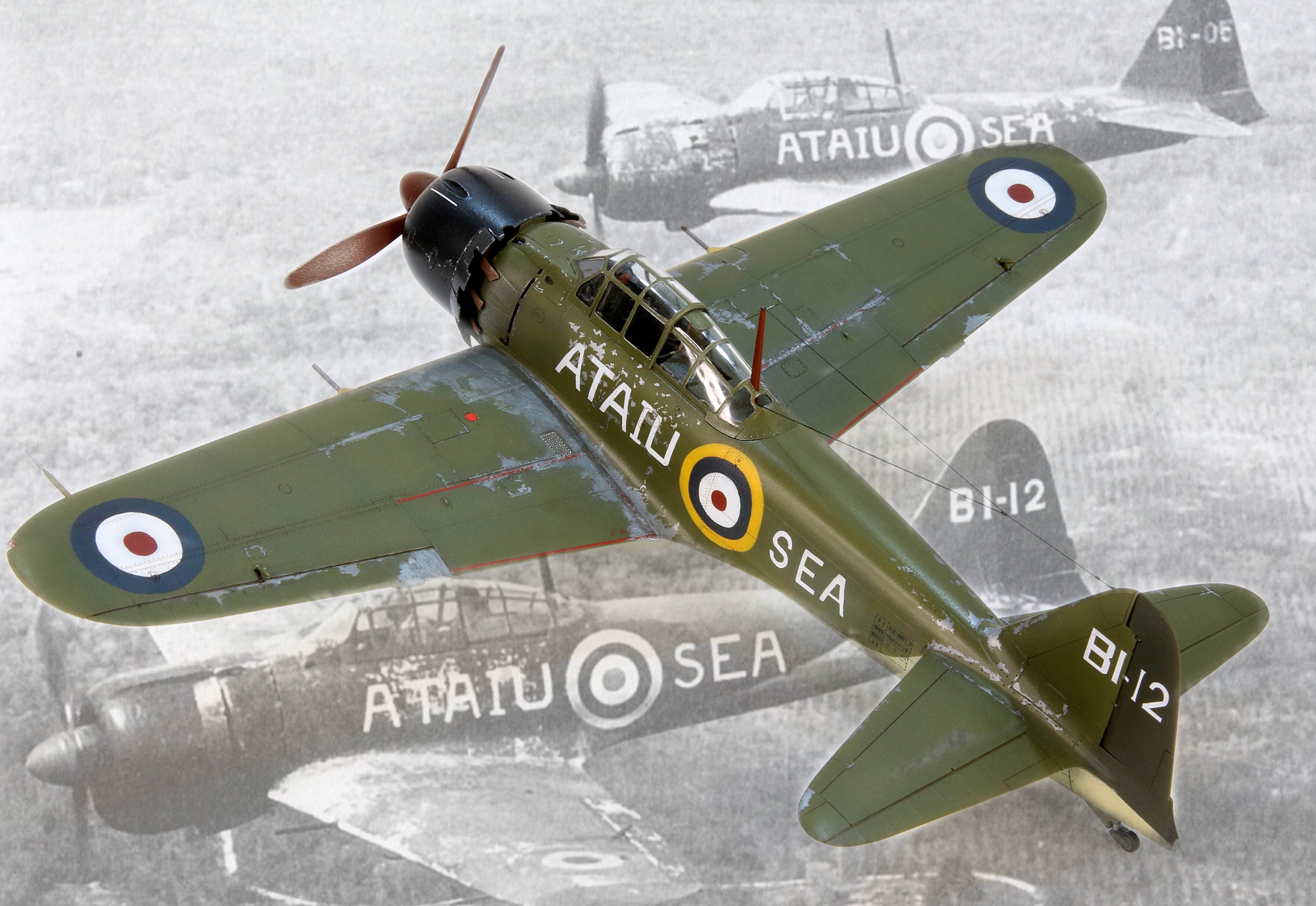
Among the many Zeros examined and collected by ATAIU teams was one built by Nakajima in 1944, which had served with an unknown Japanese naval air group before being surrendered to Allied forces in early September 1945. This aircraft was transported to Tebrau Airfield in southern Malaysia, where it became one of sixty-four Japanese planes gathered by the Allied Technical Air Intelligence Unit–South East Asia (ATAIU-SEA) for detailed study. The Zero was repainted with Royal Air Force markings over its original Japanese insignia, and “ATAIU-SEA” was stencilled in white on its fuselage. Despite the ambitious plans to ship all sixty-four aircraft to the United Kingdom, only four ultimately made the journey due to shipping shortages. This particular Zero was among those that arrived in the United Kingdom in February 1947. In 1961, the aircraft’s centre fuselage and wing section, together with its landing gear, were transferred to the Imperial War Museum in London, where it remains on display as a testament both to the Zero’s reputation and to the ATAIU’s efforts in the aftermath of war.

As the war progressed, the ATAIU’s operations became more sophisticated and centralized. In mid-1944, U.S. Navy personnel were withdrawn from the original Australian unit to form the Technical Air Intelligence Centre at NAS Anacostia, near Washington, D.C. This new center was tasked with coordinating the work of test centers in the United States with the activities of ATAIU teams in the field. The Australian unit was subsequently reorganized as the Technical Air Intelligence Unit for the South West Pacific Area and eventually moved to the Philippines in early 1945. By this time, technical air intelligence had become a fully developed discipline. Allied troops were instructed on the importance of preserving captured equipment, and the ATAIU teams scoured newly liberated territory for intact aircraft and technical documents. The range of aircraft examined was vast, encompassing fighters such as the Nakajima Ki-84 “Frank” and Kawanishi N1K “George,” bombers like the Mitsubishi G4M “Betty,” and reconnaissance aircraft such as the Mitsubishi Ki-46 “Dinah.”

With the surrender of Japan in August 1945, the ATAIU’s mission shifted from tactical intelligence to post-hostilities investigation. General Hap Arnold, commander of the U.S. Army Air Forces, ordered the preservation of four examples of every type of Japanese aircraft—one each for the USAAF, USN, RAF, and museums. Teams from TAIU-SWPA and ATAIU-SEA were dispatched across Japan and its former territories to gather and catalog the remains of the once-mighty Imperial Japanese Air Force. The scale of this operation was immense. By the end of 1945, 115 aircraft had been shipped to the United States, with 73 going to the Army and 42 to the Navy. However, lack of funds, storage space, and waning political interest meant that only a handful were ever restored and evaluated. Most were eventually scrapped, though 46 complete aircraft found their way into museums. In Southeast Asia, ATAIU-SEA collected 64 Japanese Army and Navy aircraft at Singapore, most in flyable condition, for shipment to the UK. Shipping shortages, however, meant that only four eventually arrived in England for museum display, among them the subject of this piece.
Tamiya’s 1/48 A6M5 Zero
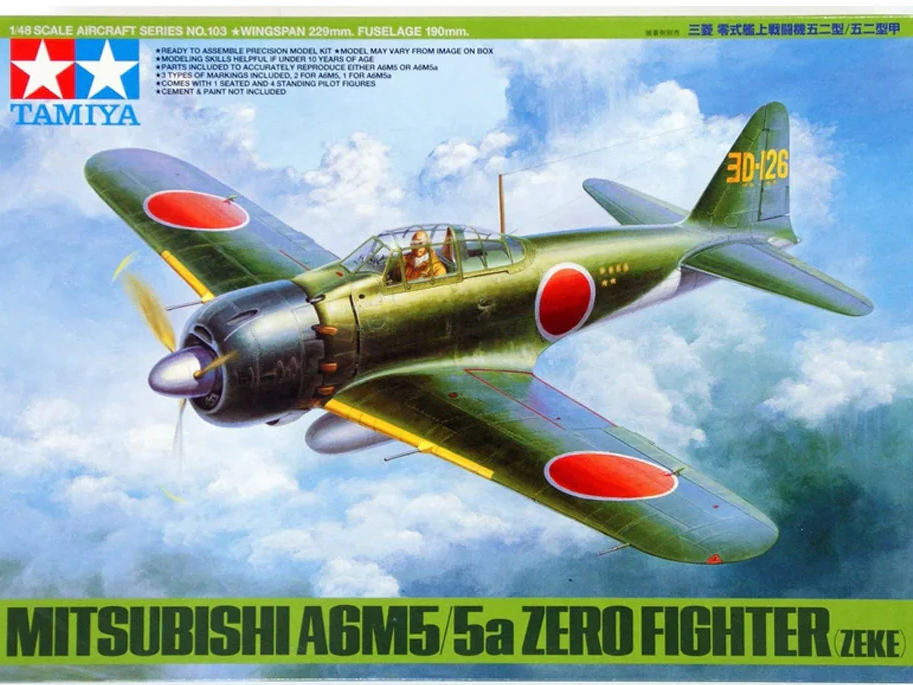
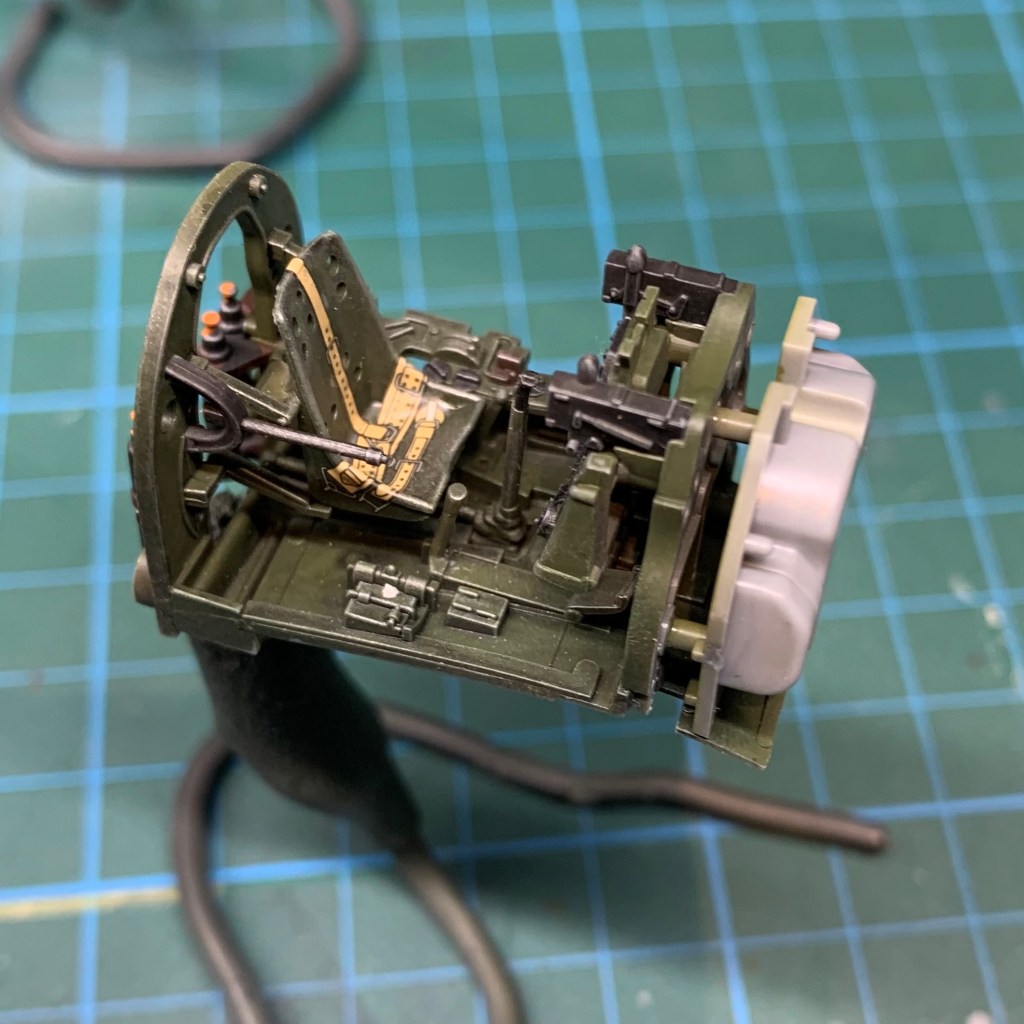
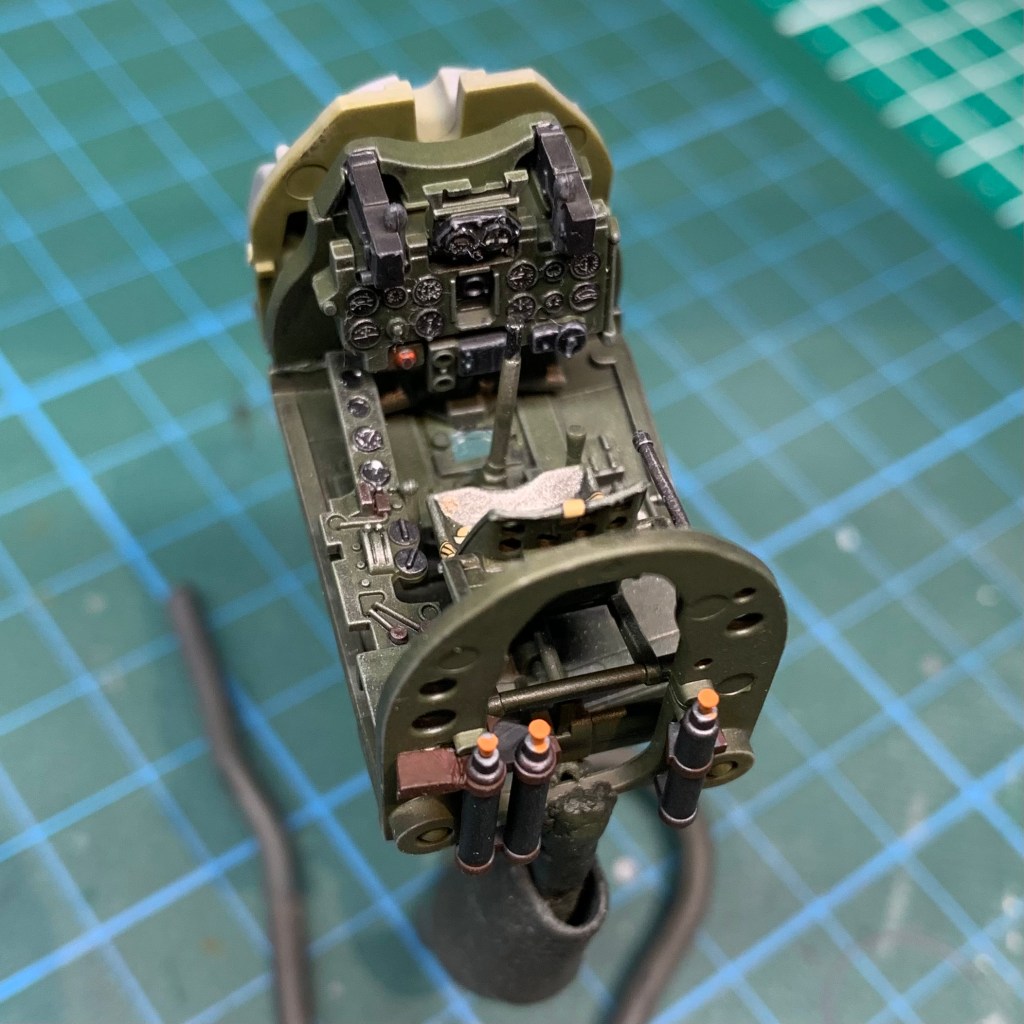
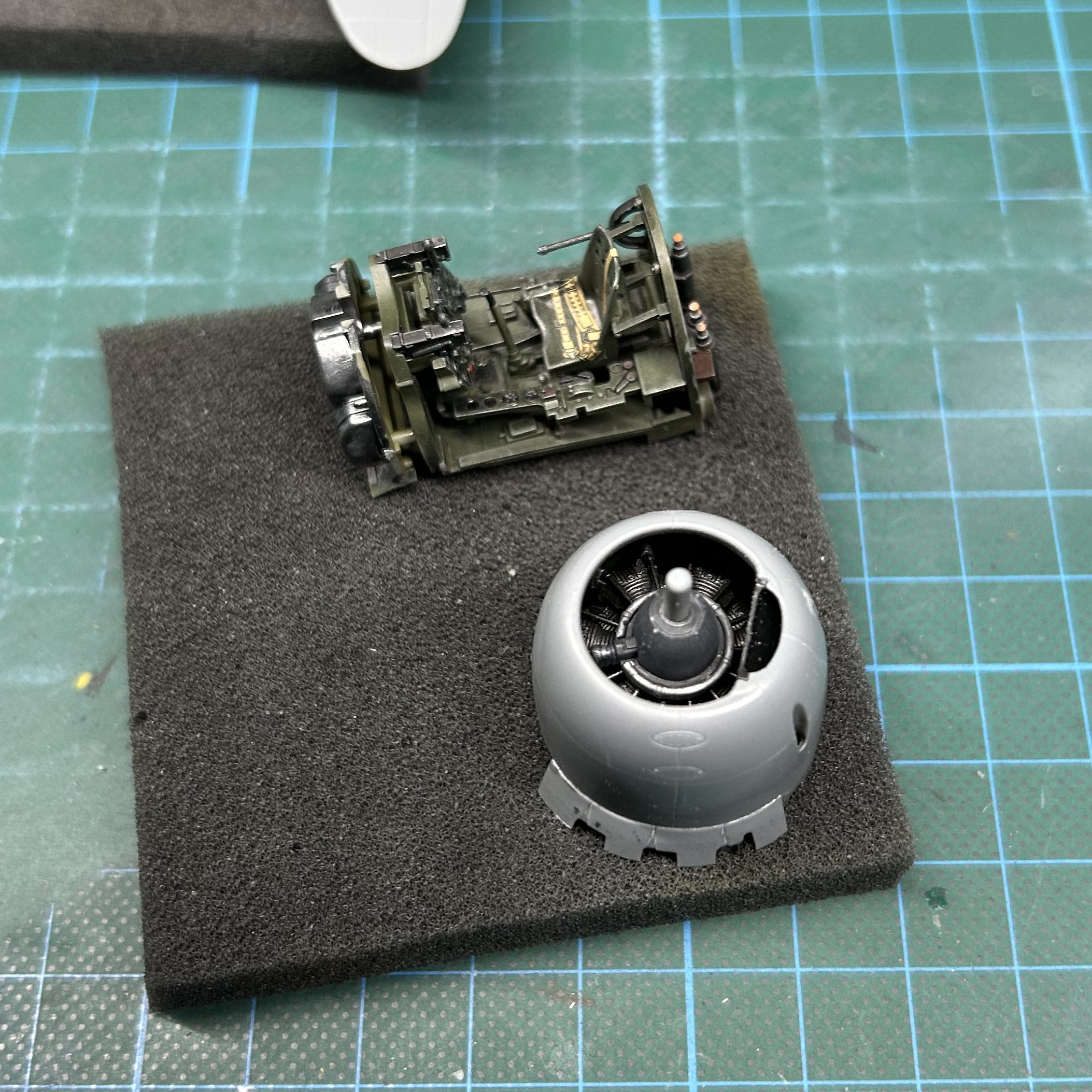
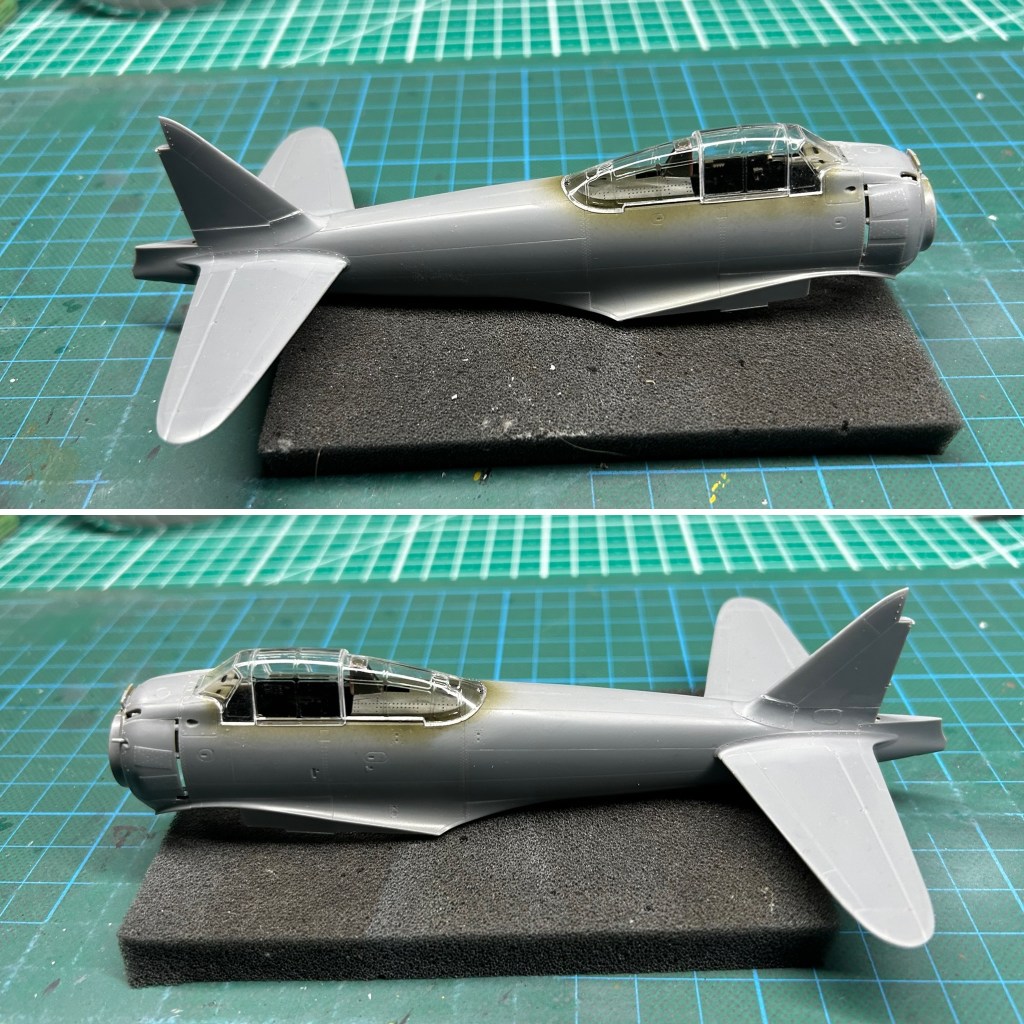
This is a nice kit. Fit is typical Tamiya and the detailing sufficient for my purposes. The only aftermarket I used was masks for the canopy.
Build
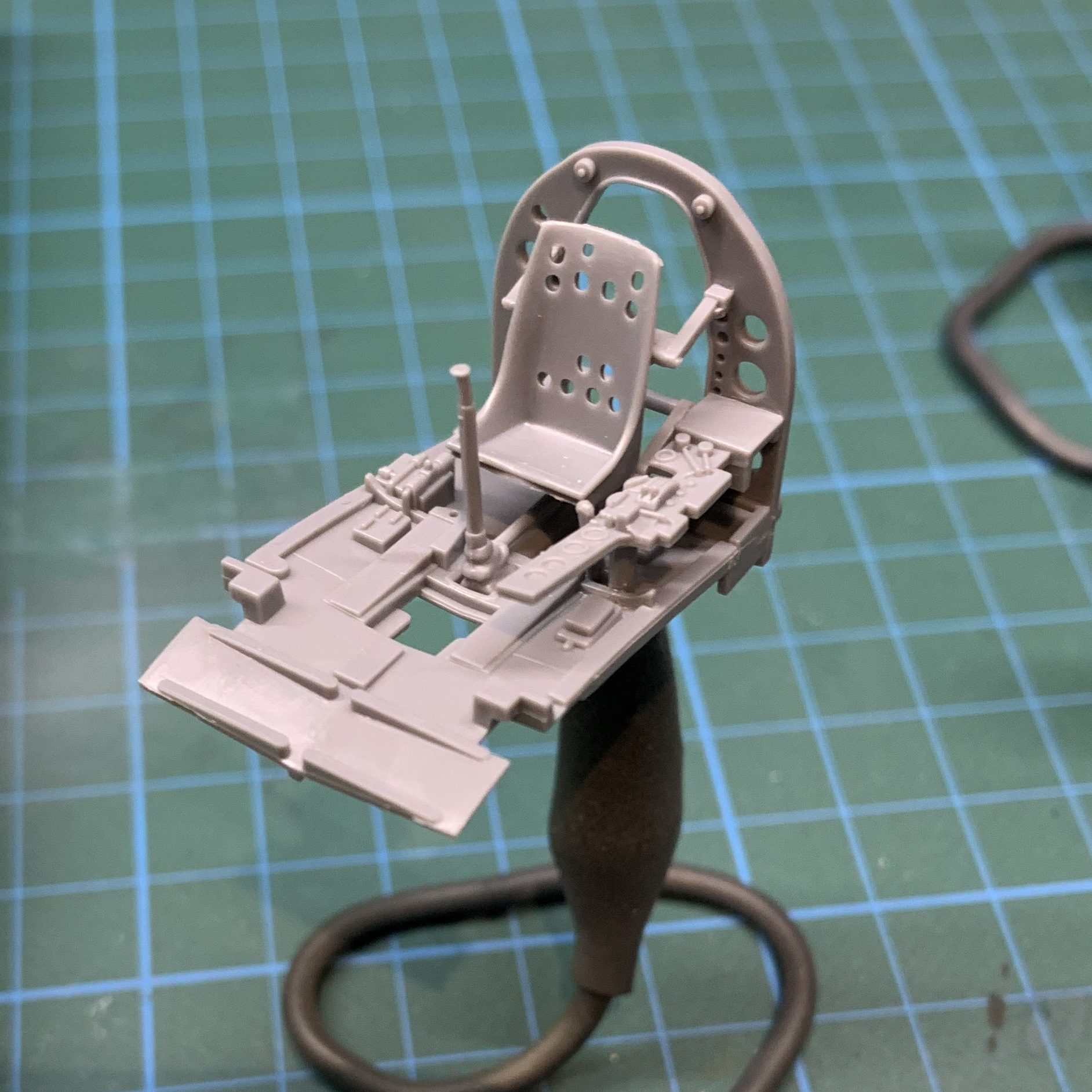
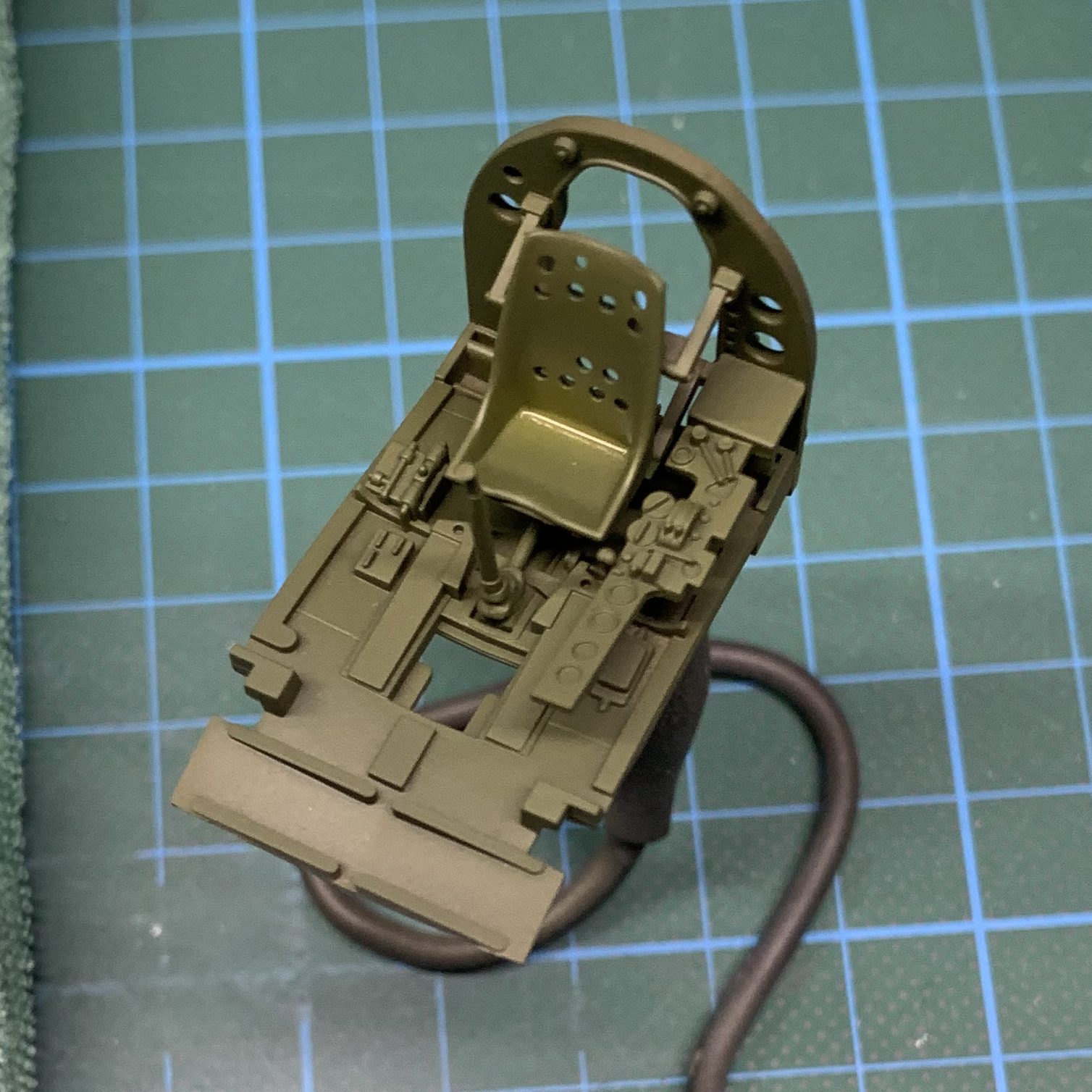
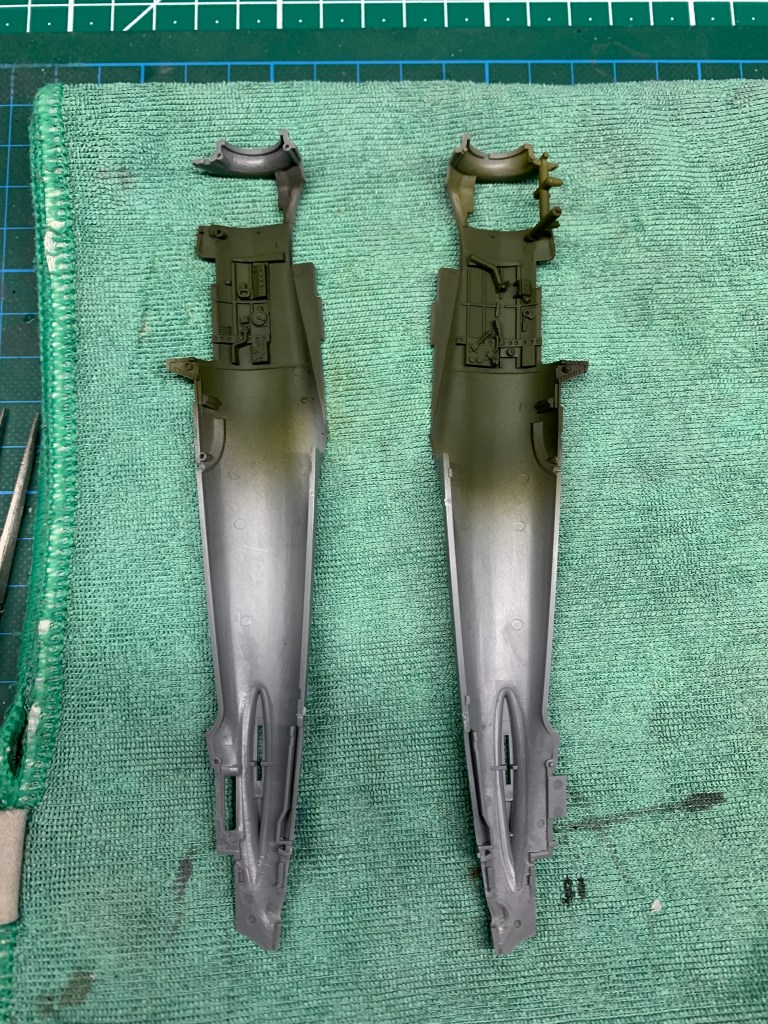
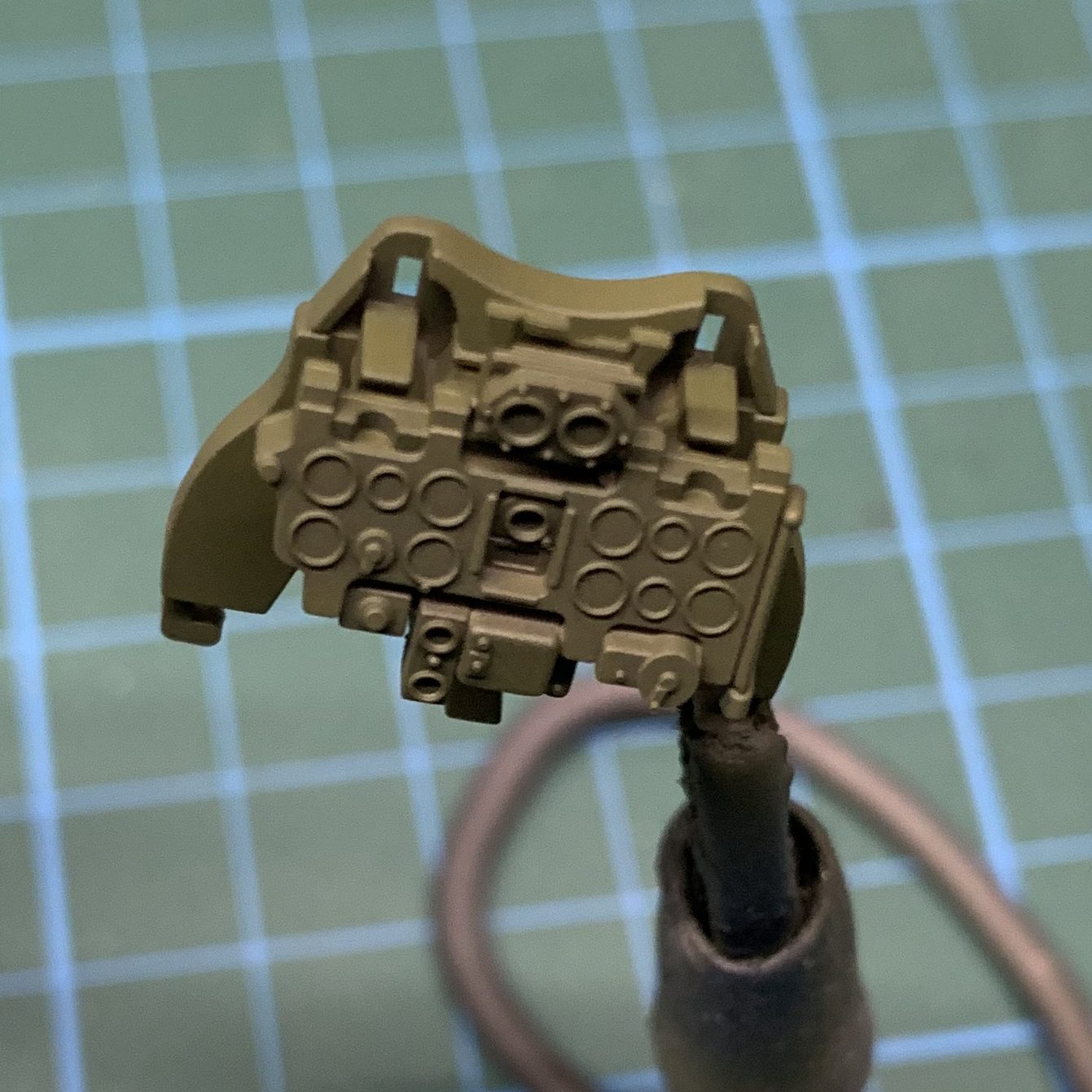
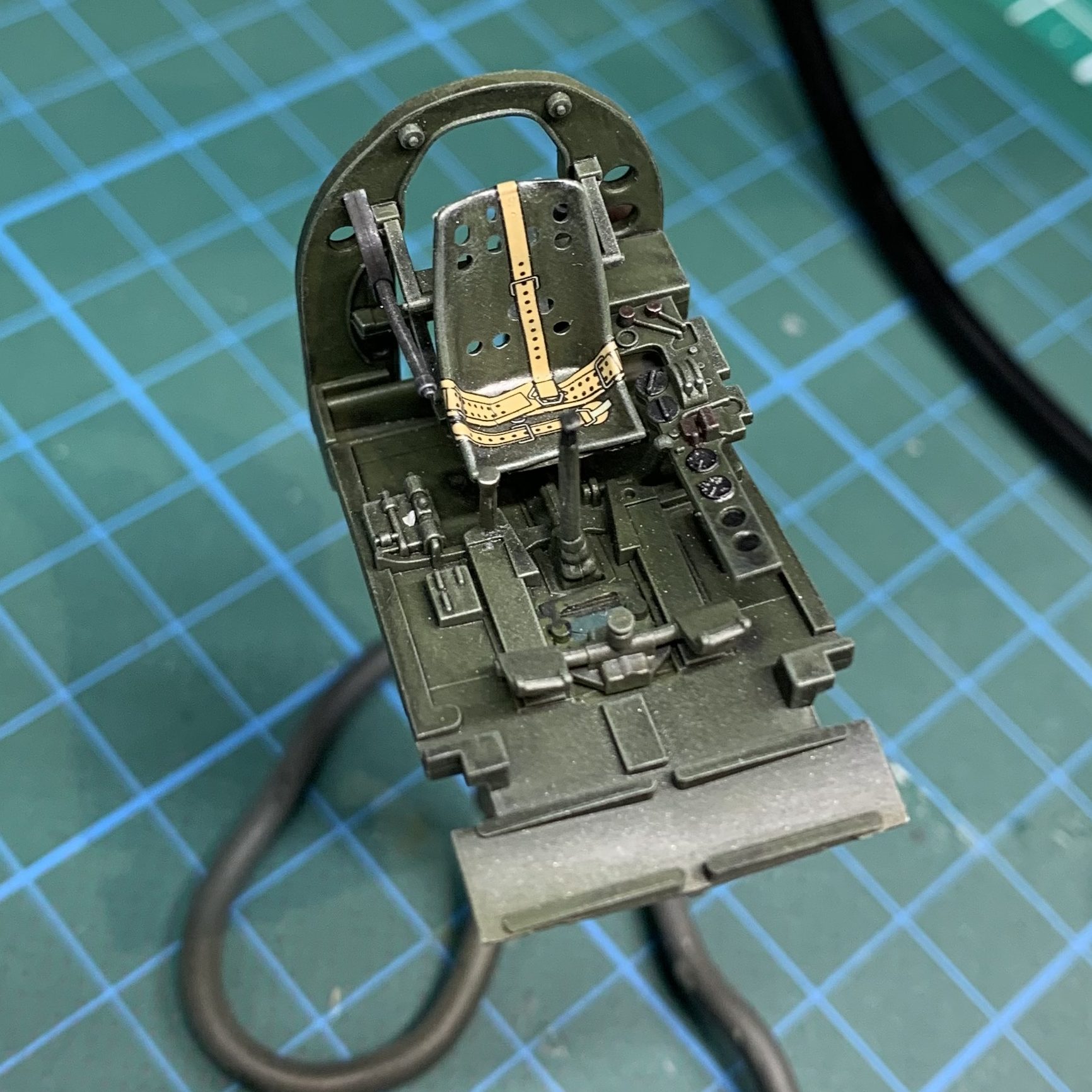
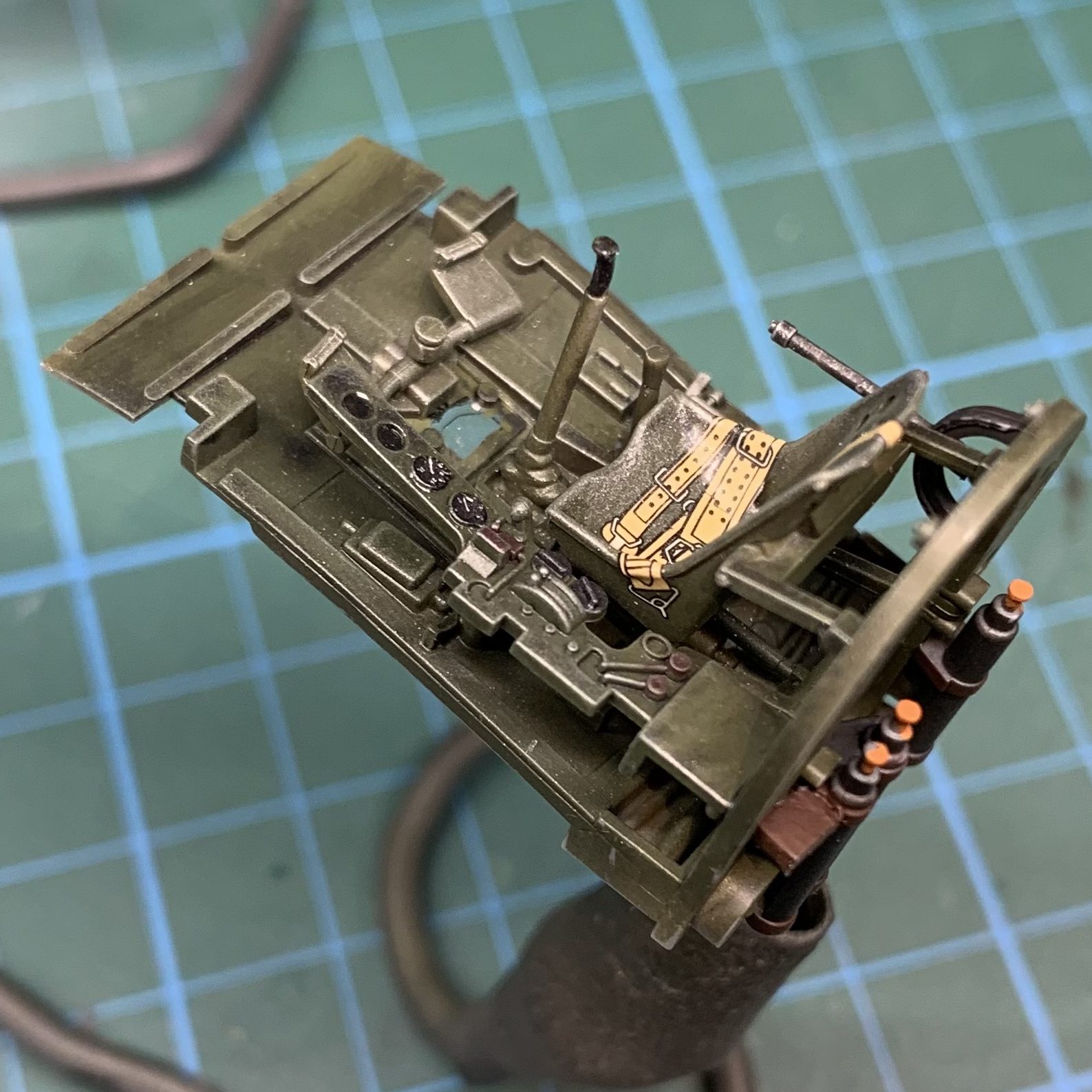
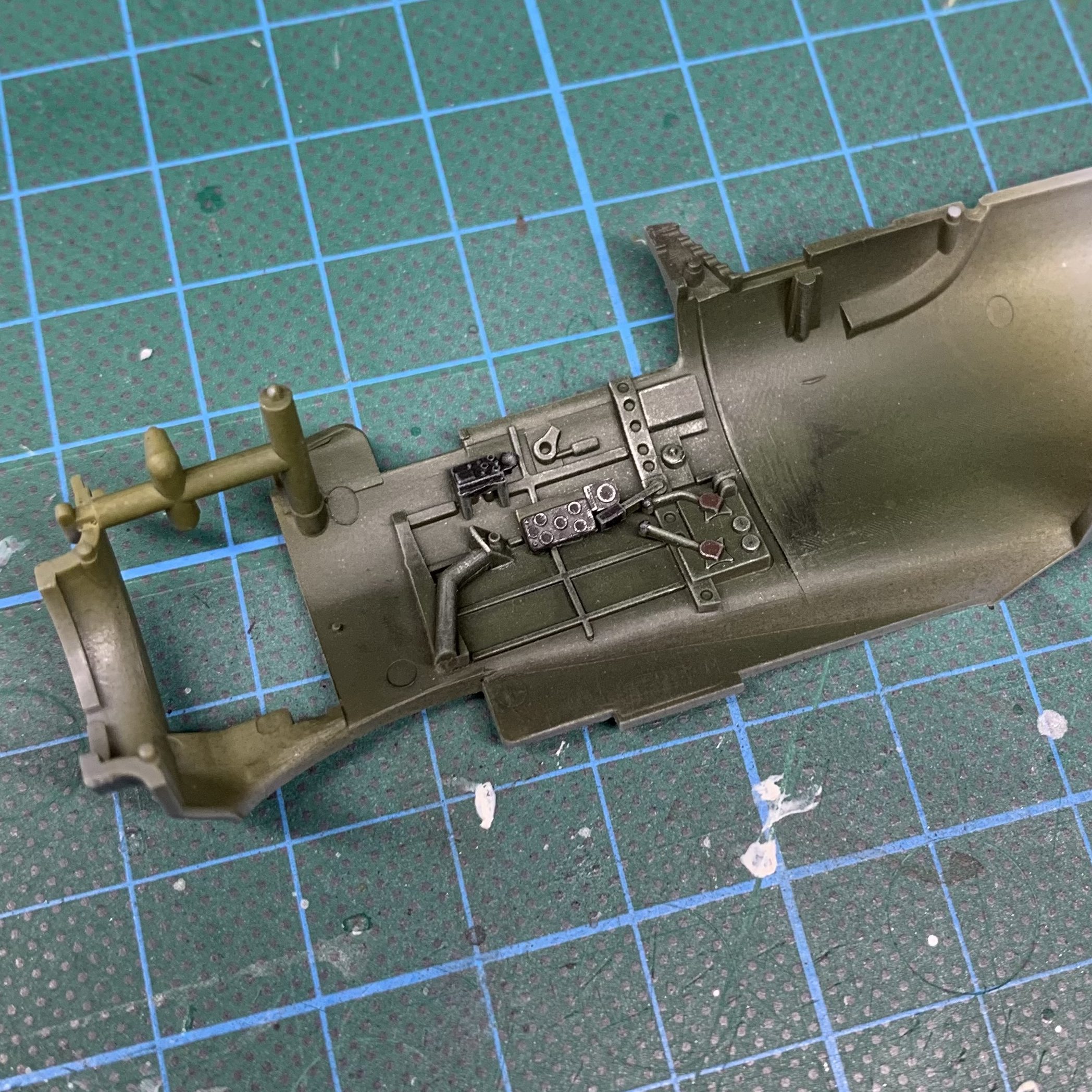
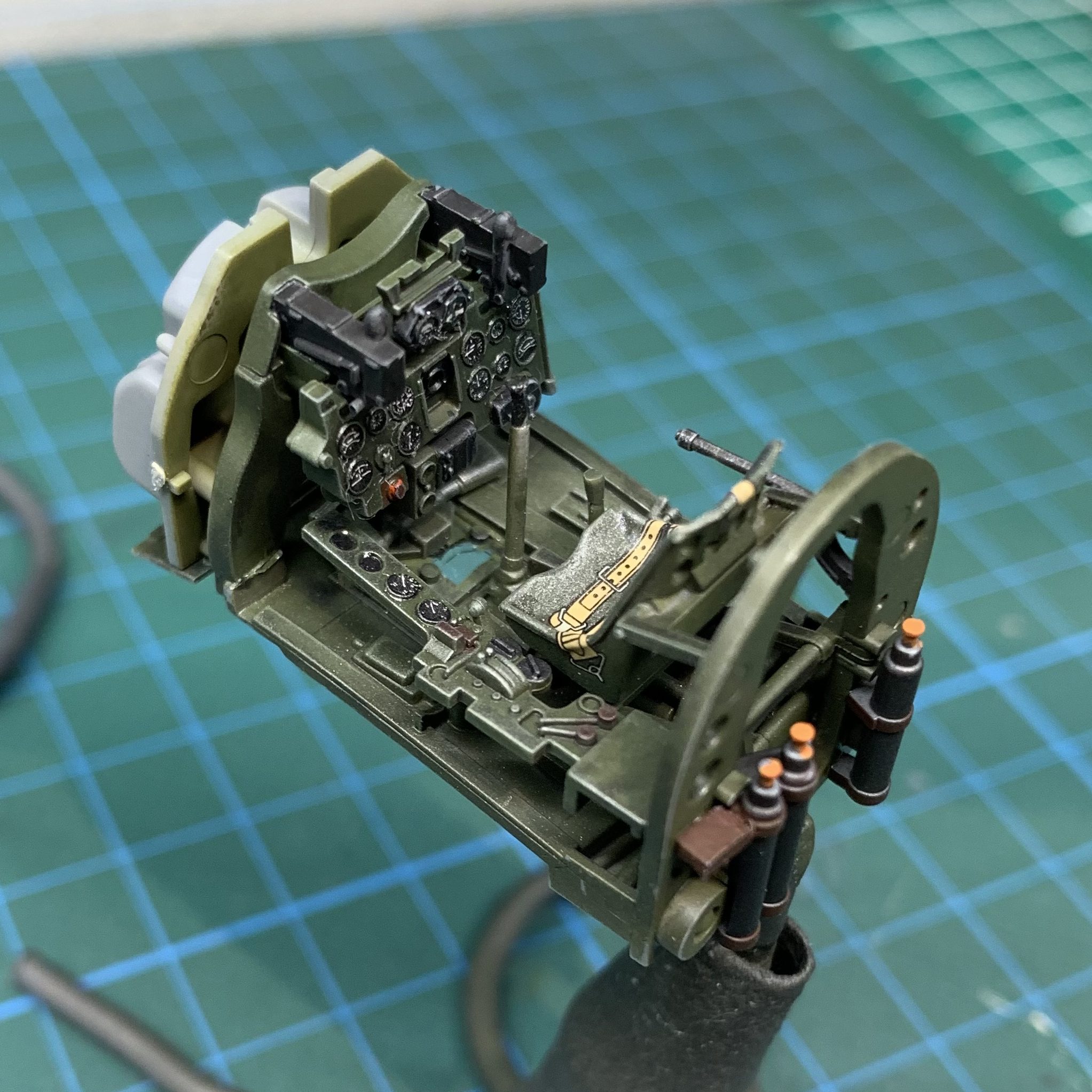
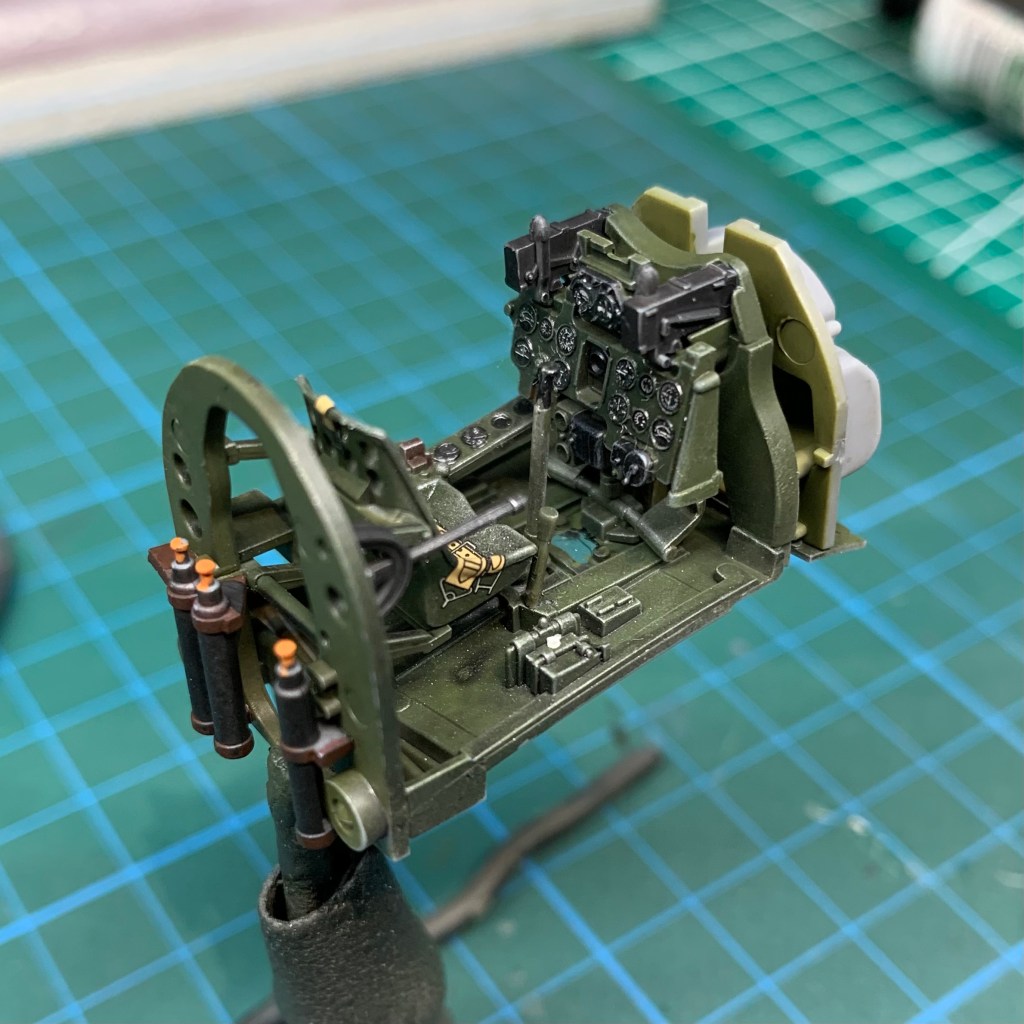
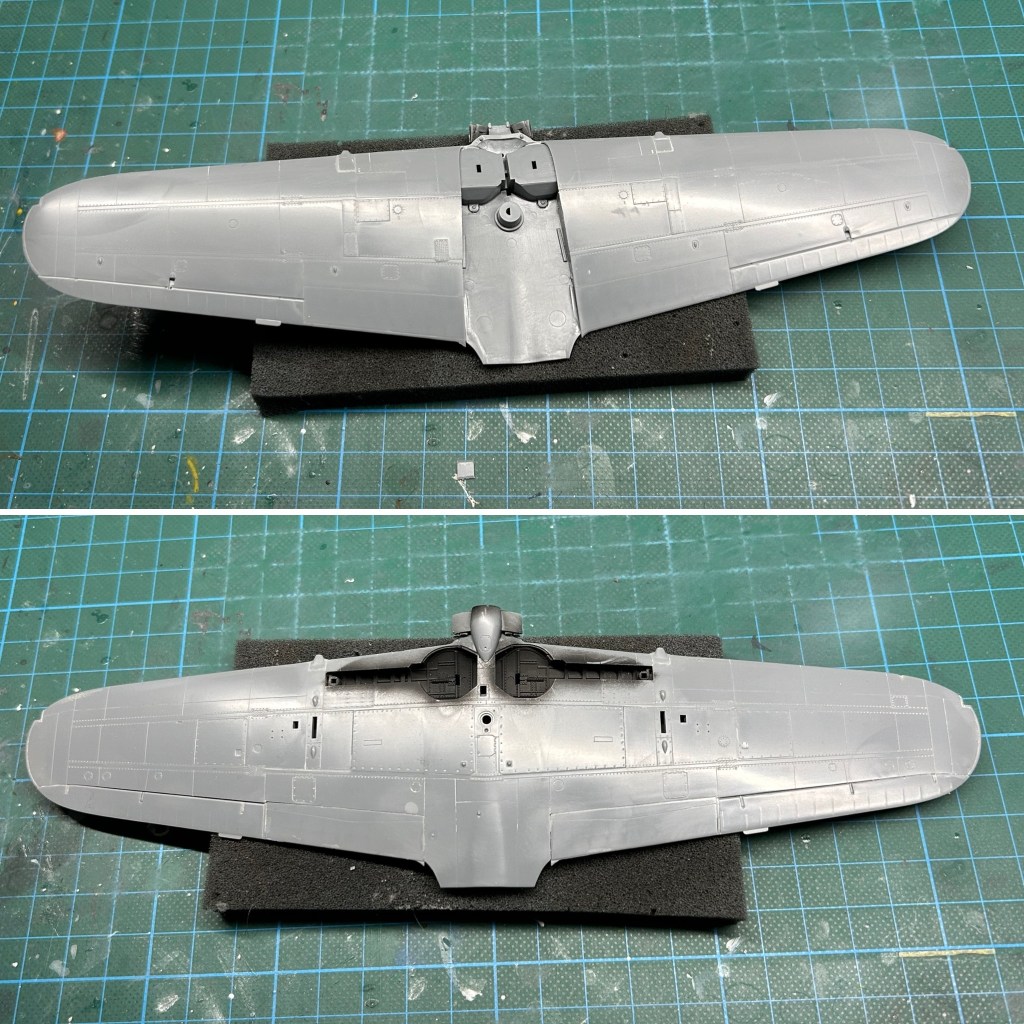
The photos can, by and large explain the build up. There is nothing complex about this kit.
Click on any of the images below to scroll through the gallery.



Paint
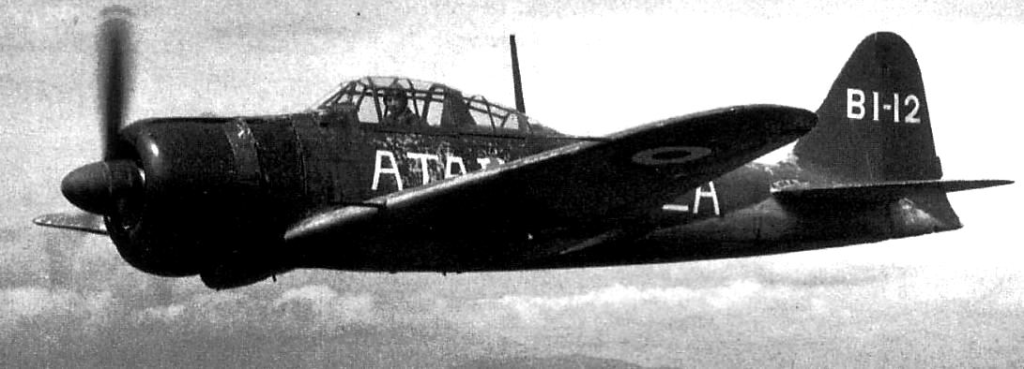
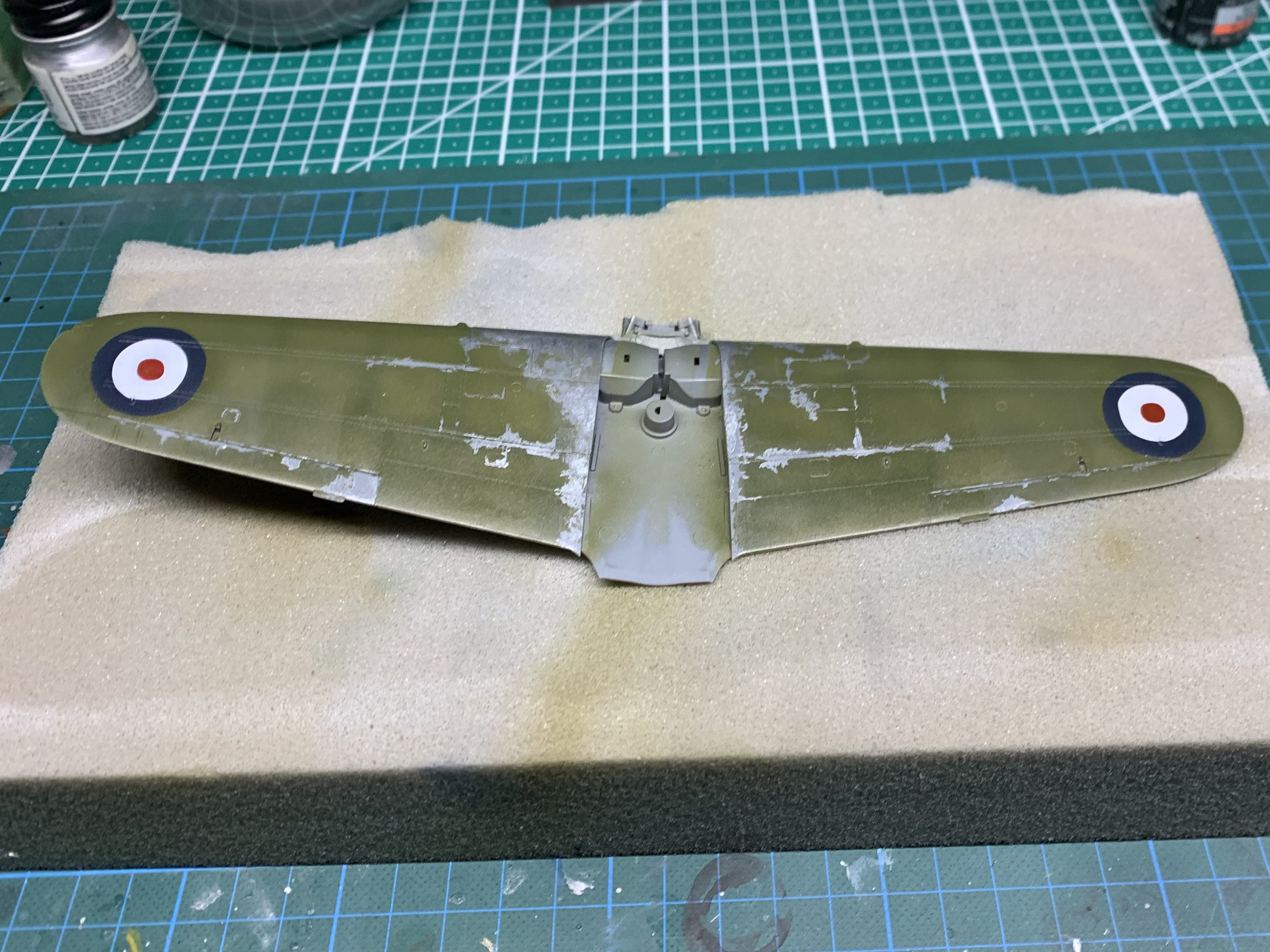
The reference pics show this to be a very worn airframe indeed.
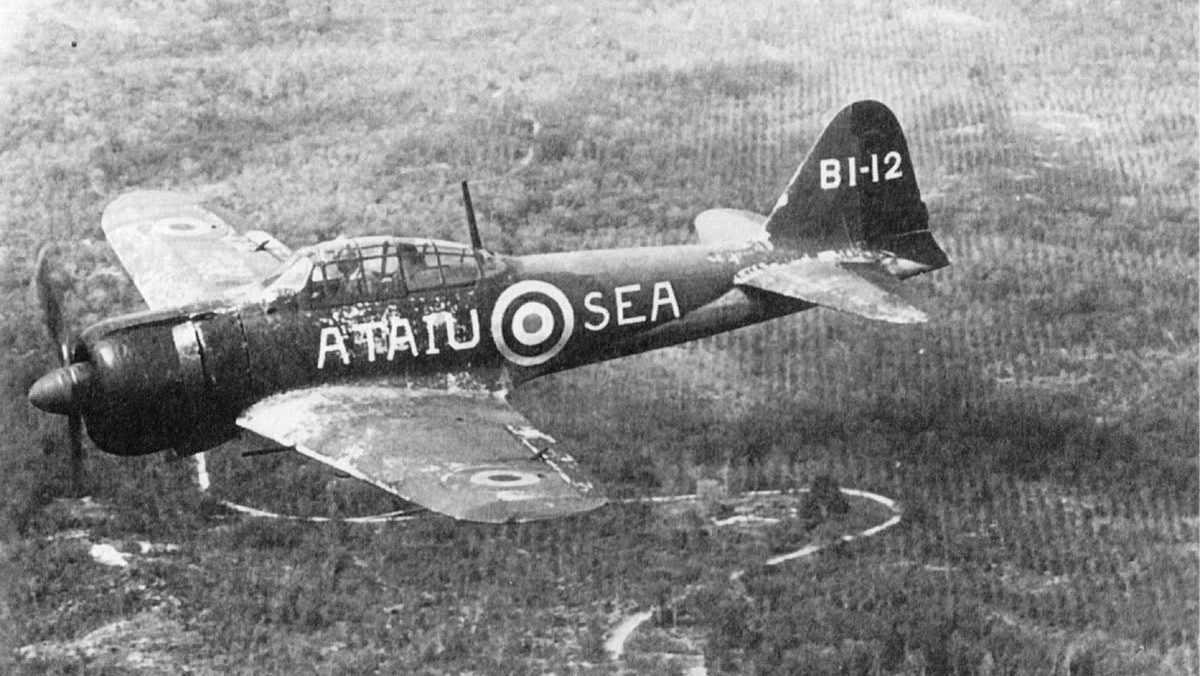
My plan was to apply a metallic finish overall and then chip an acrylic topcoat with a toothpick.
Click on any of the images below to scroll through the gallery.
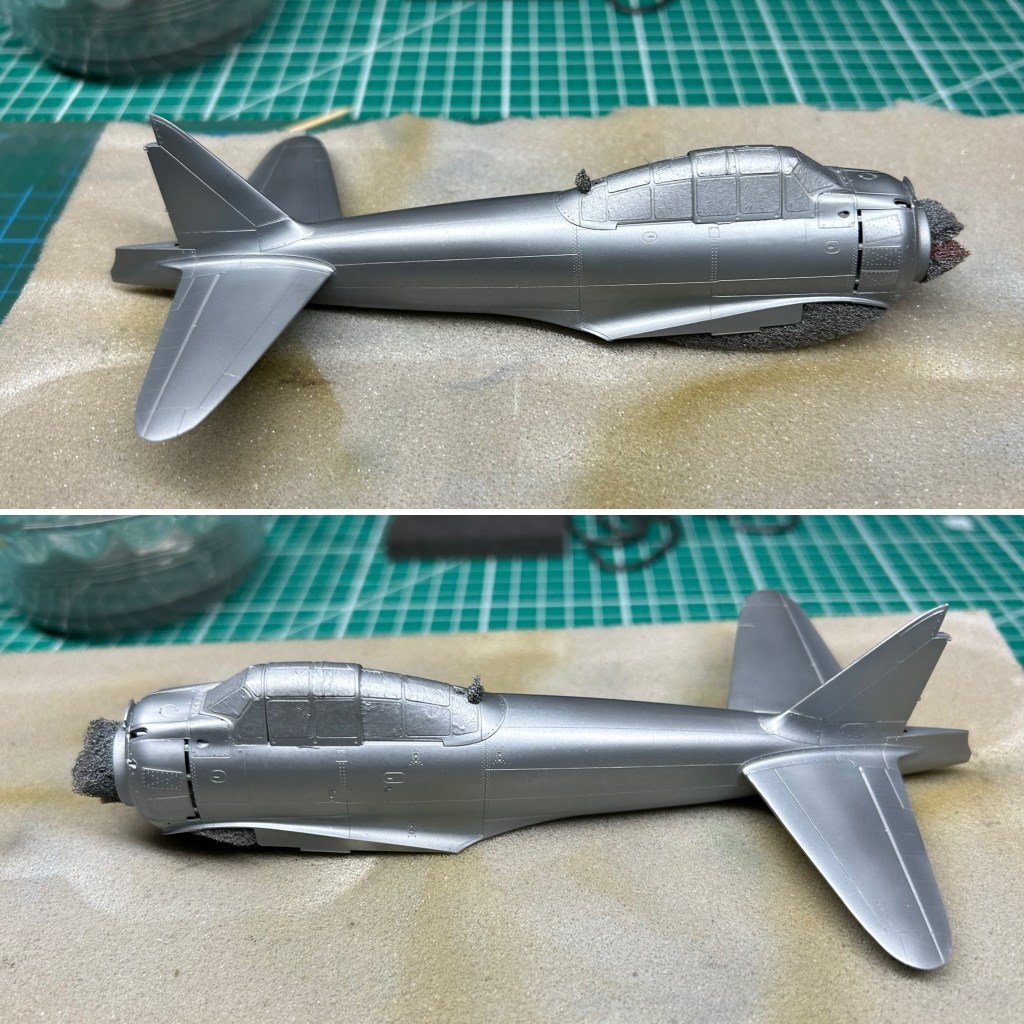
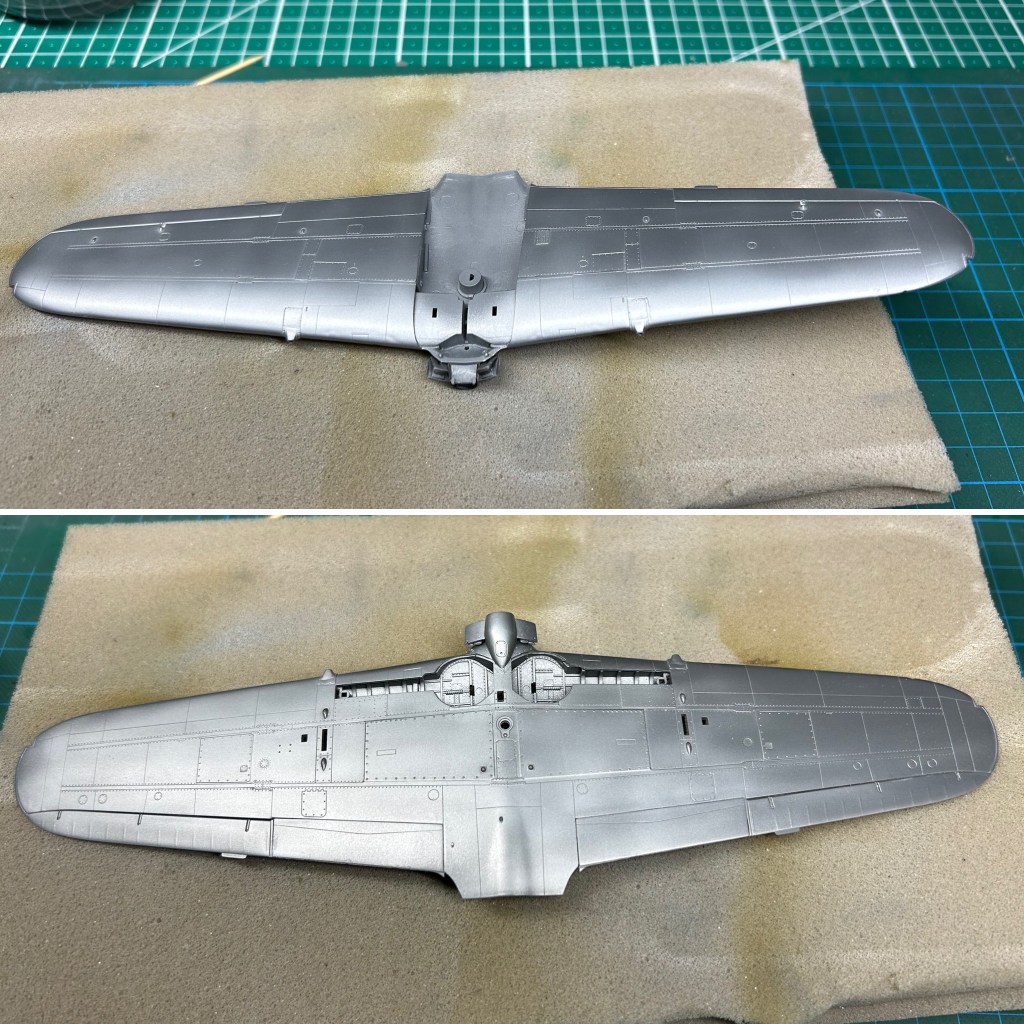
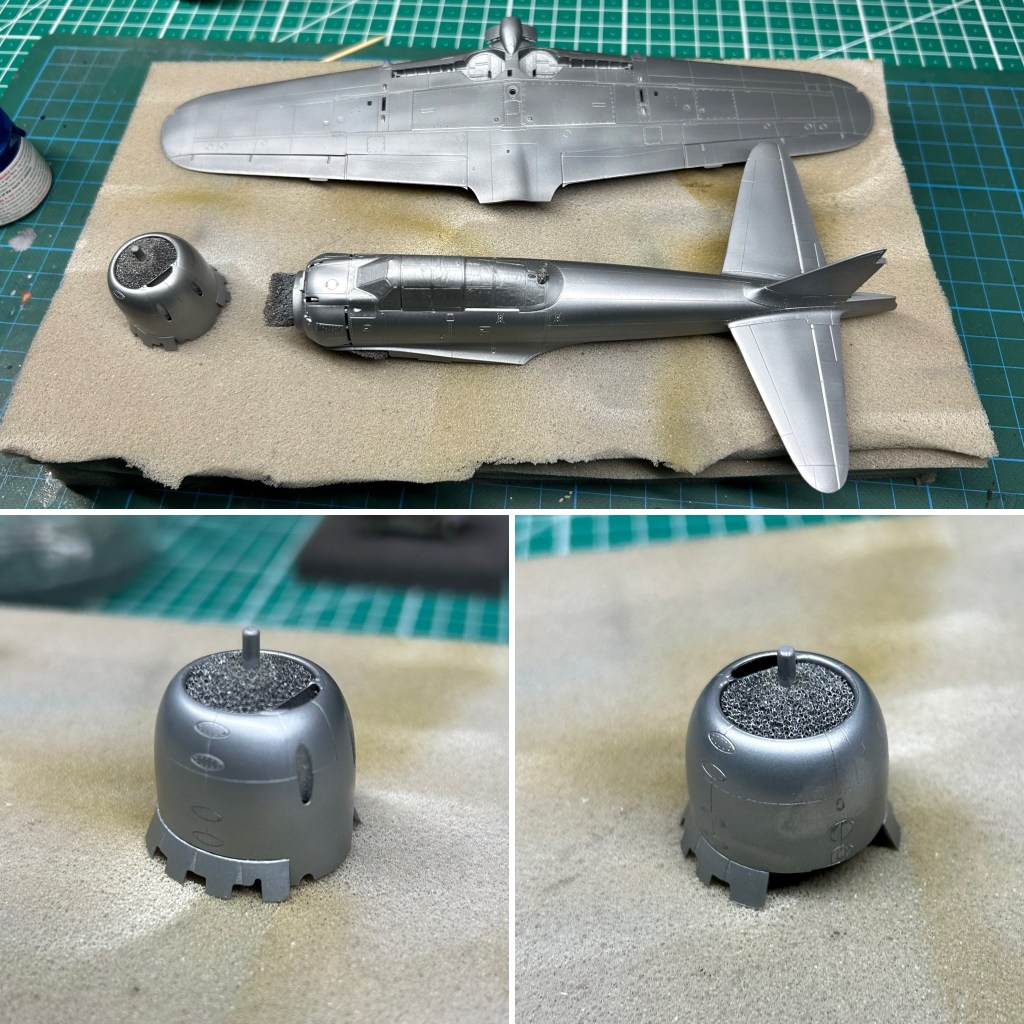
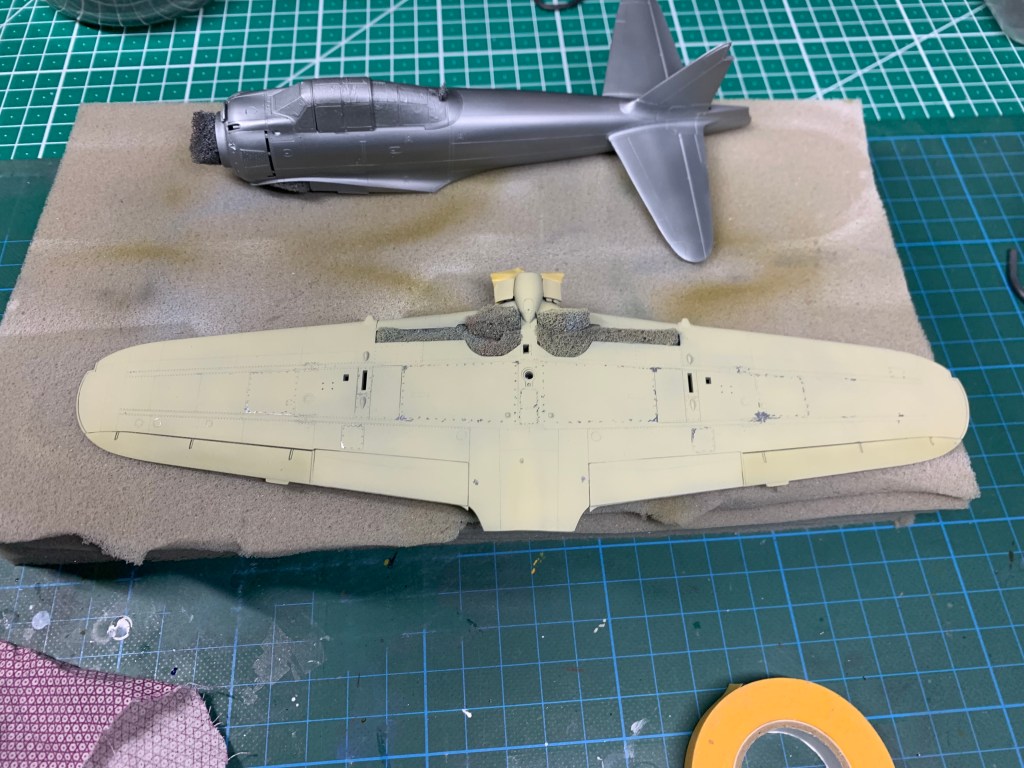
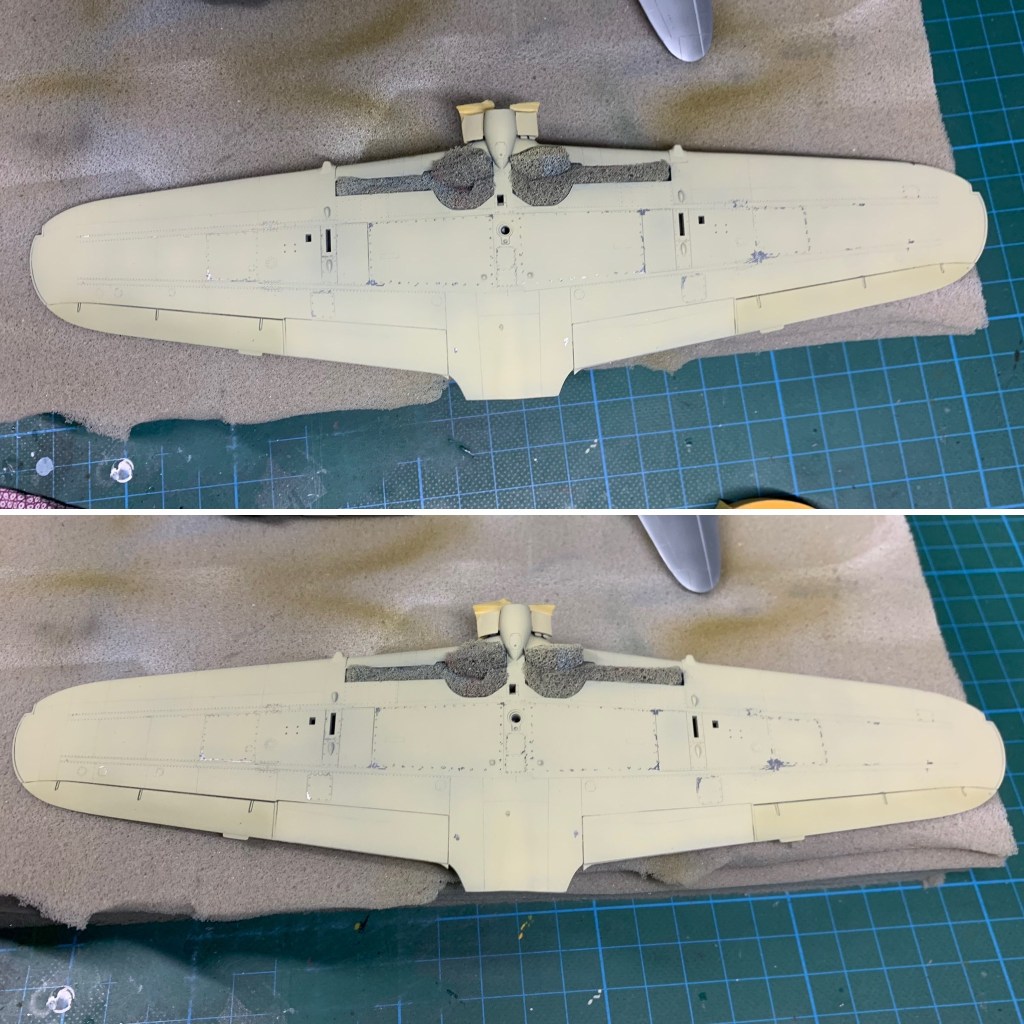
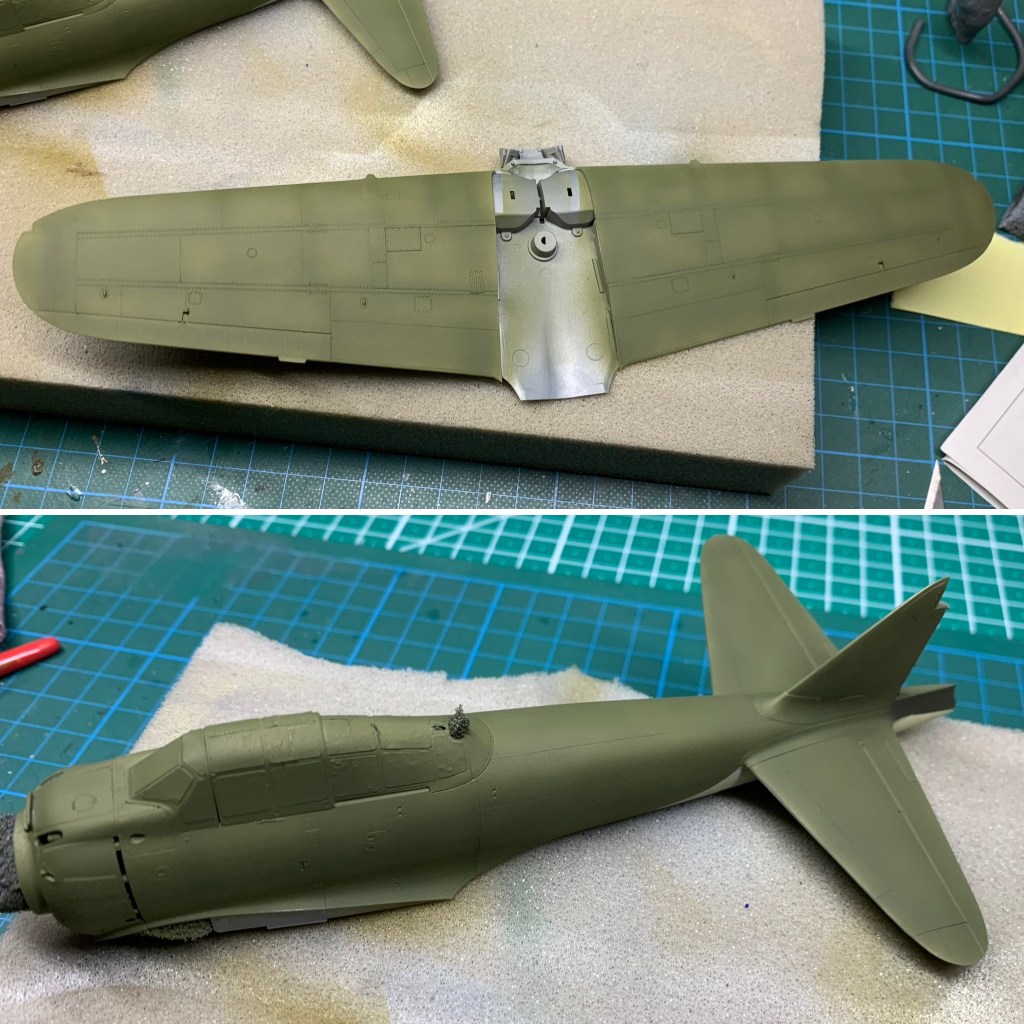
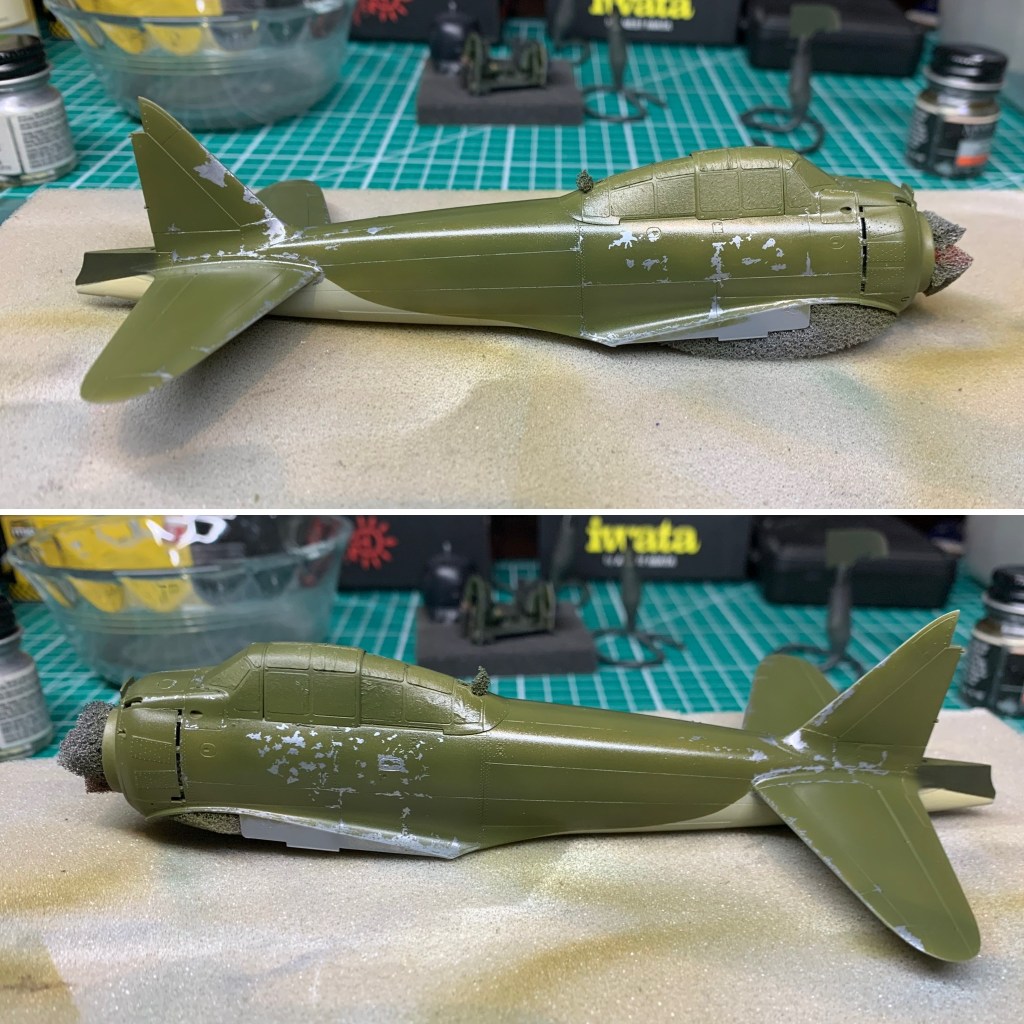
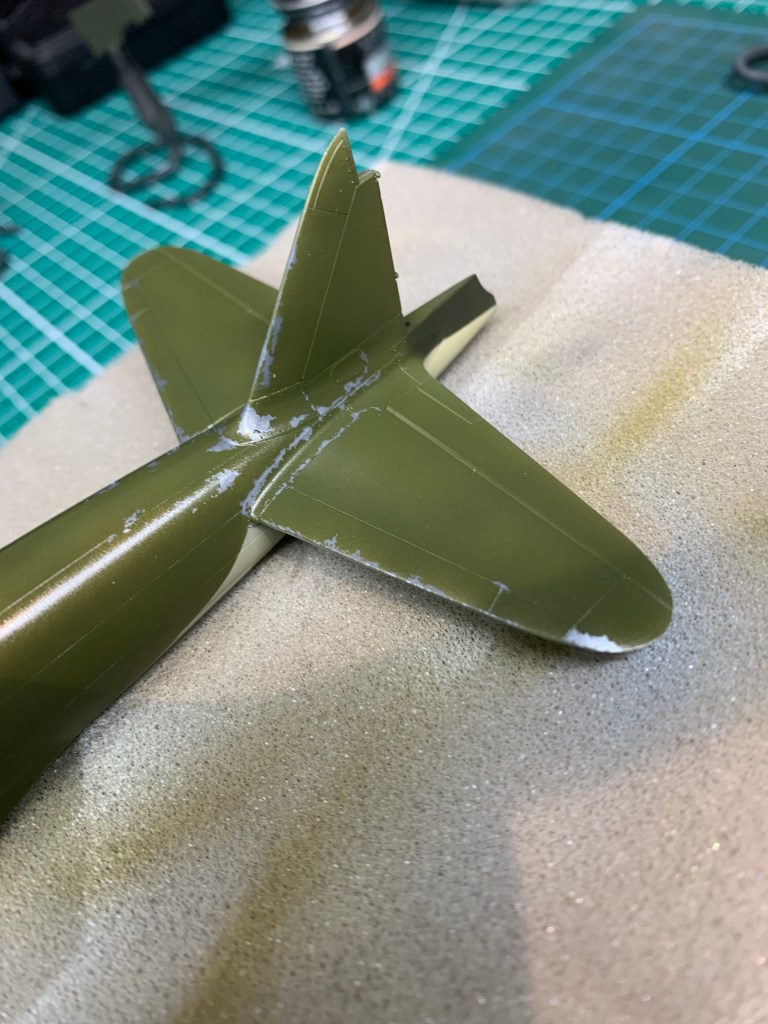
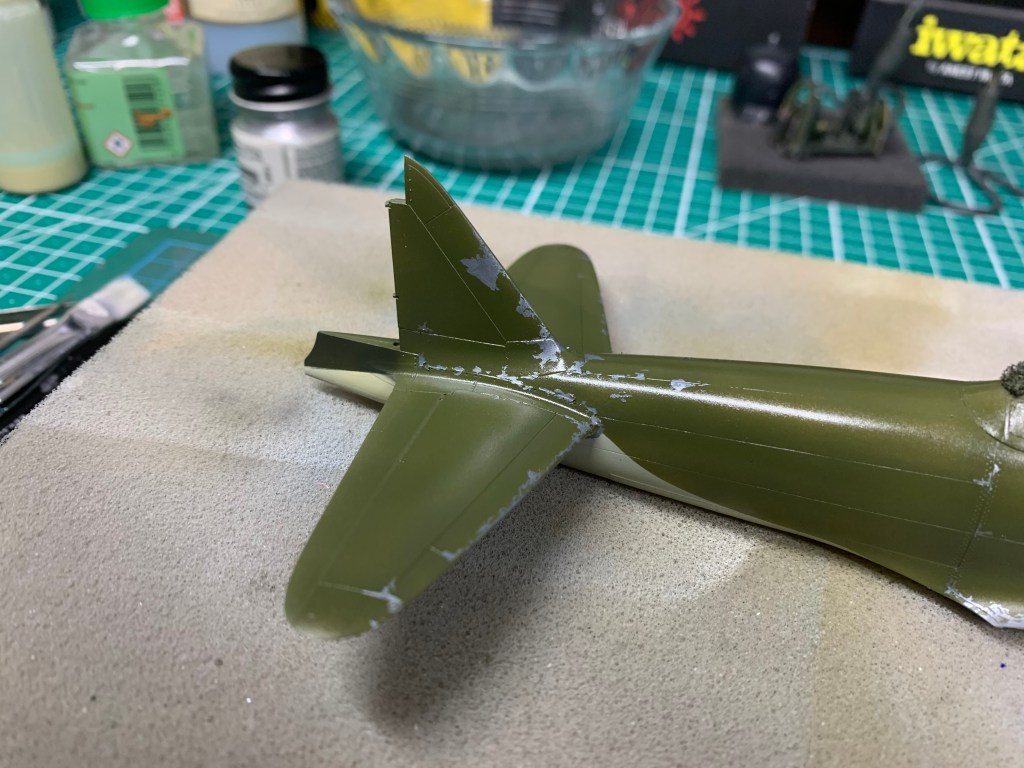
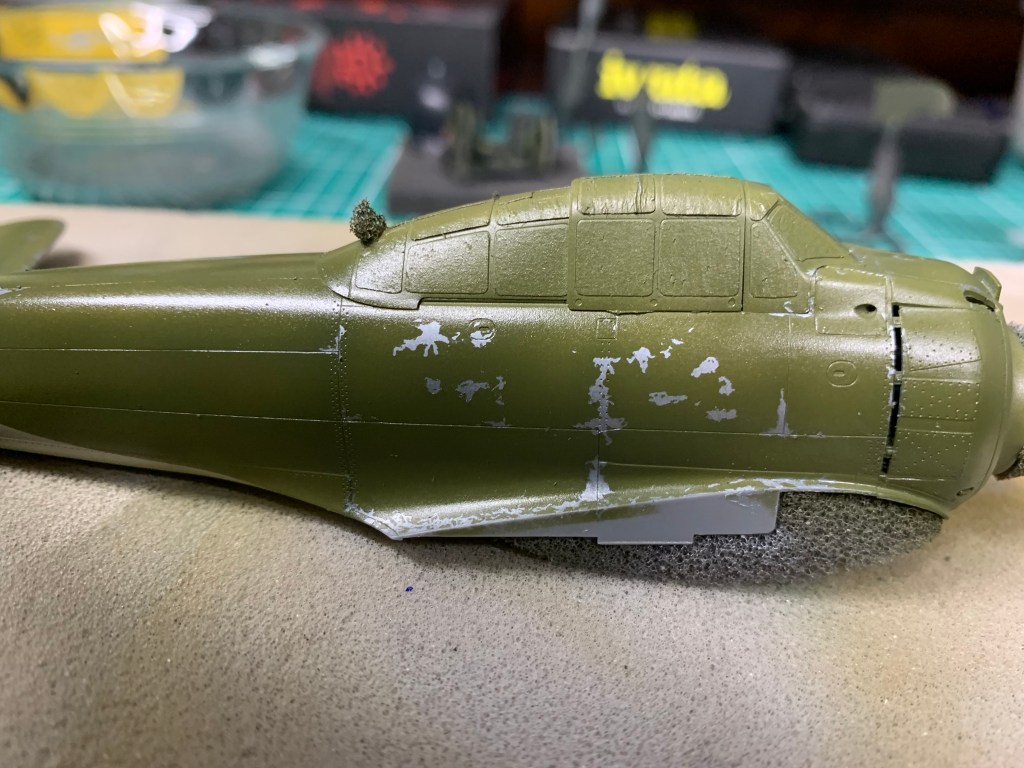
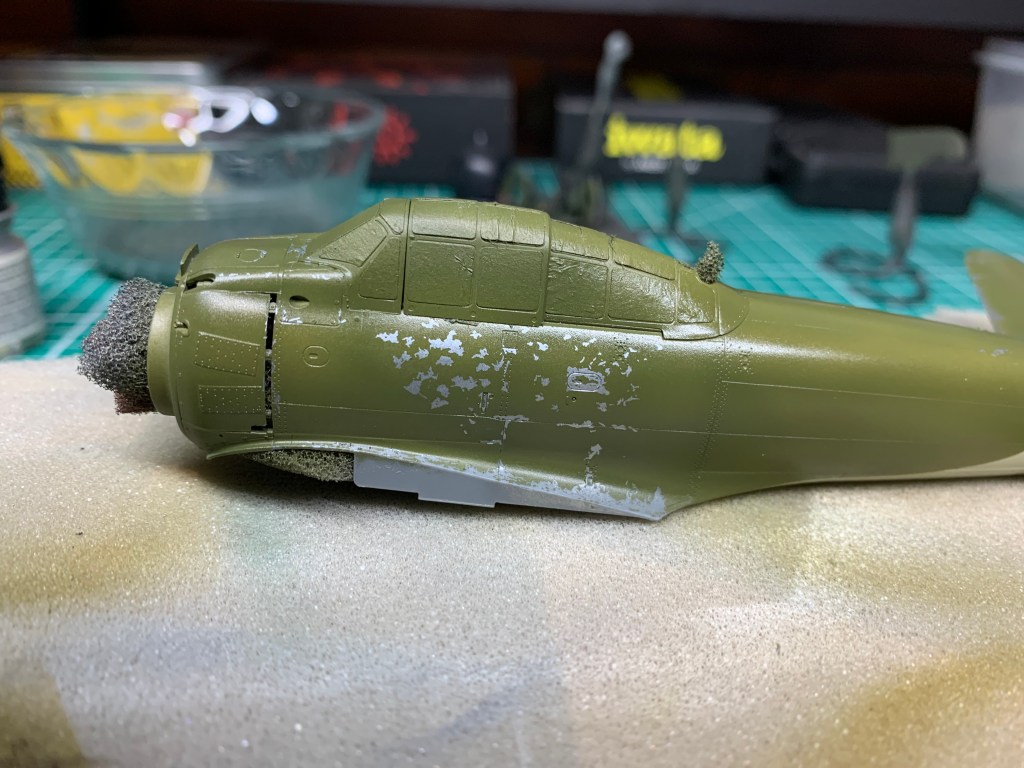
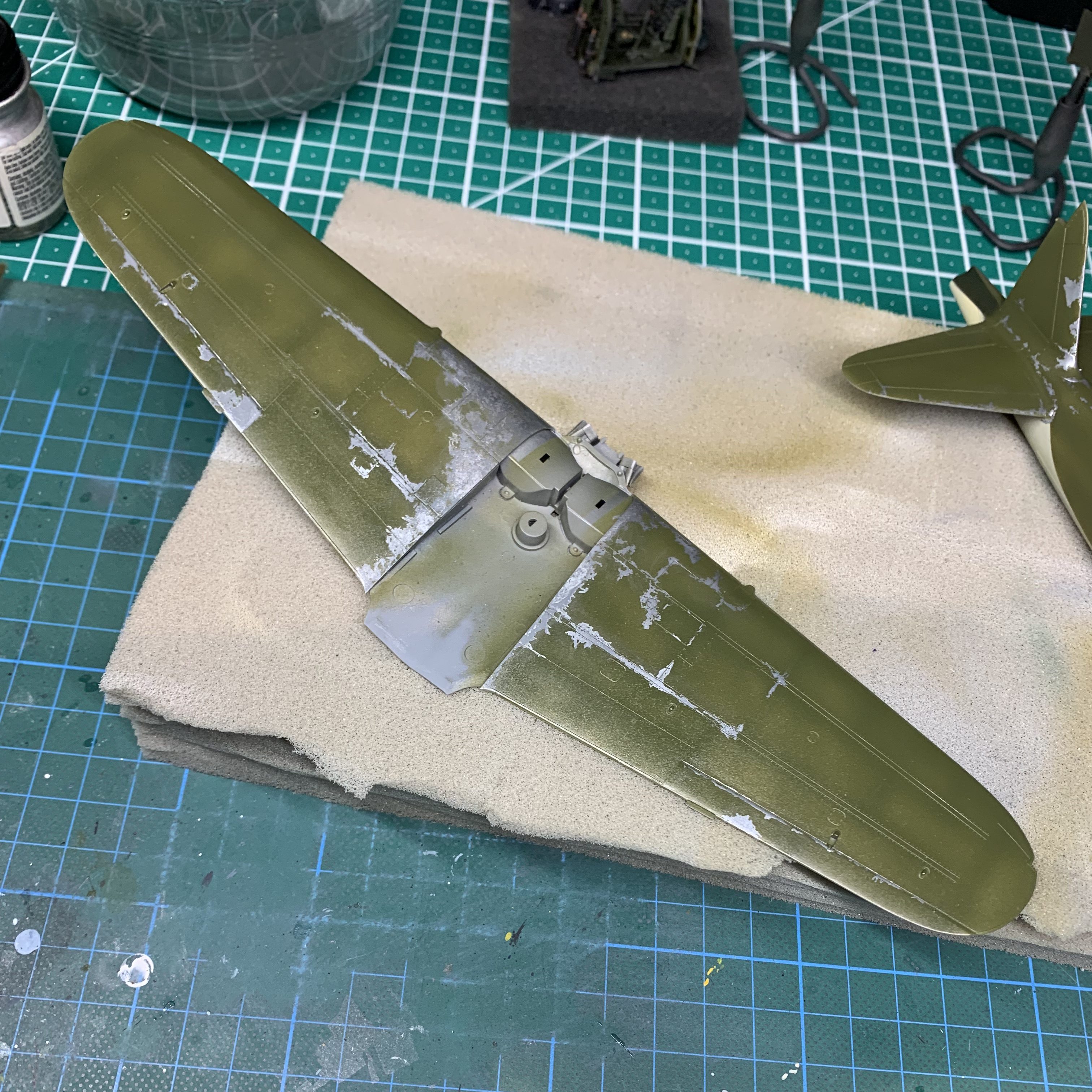
The chipping was a little more tricky than I anticipated. The underlying metal coat was more fragile than expected which necessitated some repairs to the metallic after chipping.
Markings
The markings are clearly visible in the reference photos. However, I was tripped up by only having pics of the port side and making a classic assumption based on that. Read on…
Click on any of the images below to scroll through the gallery.
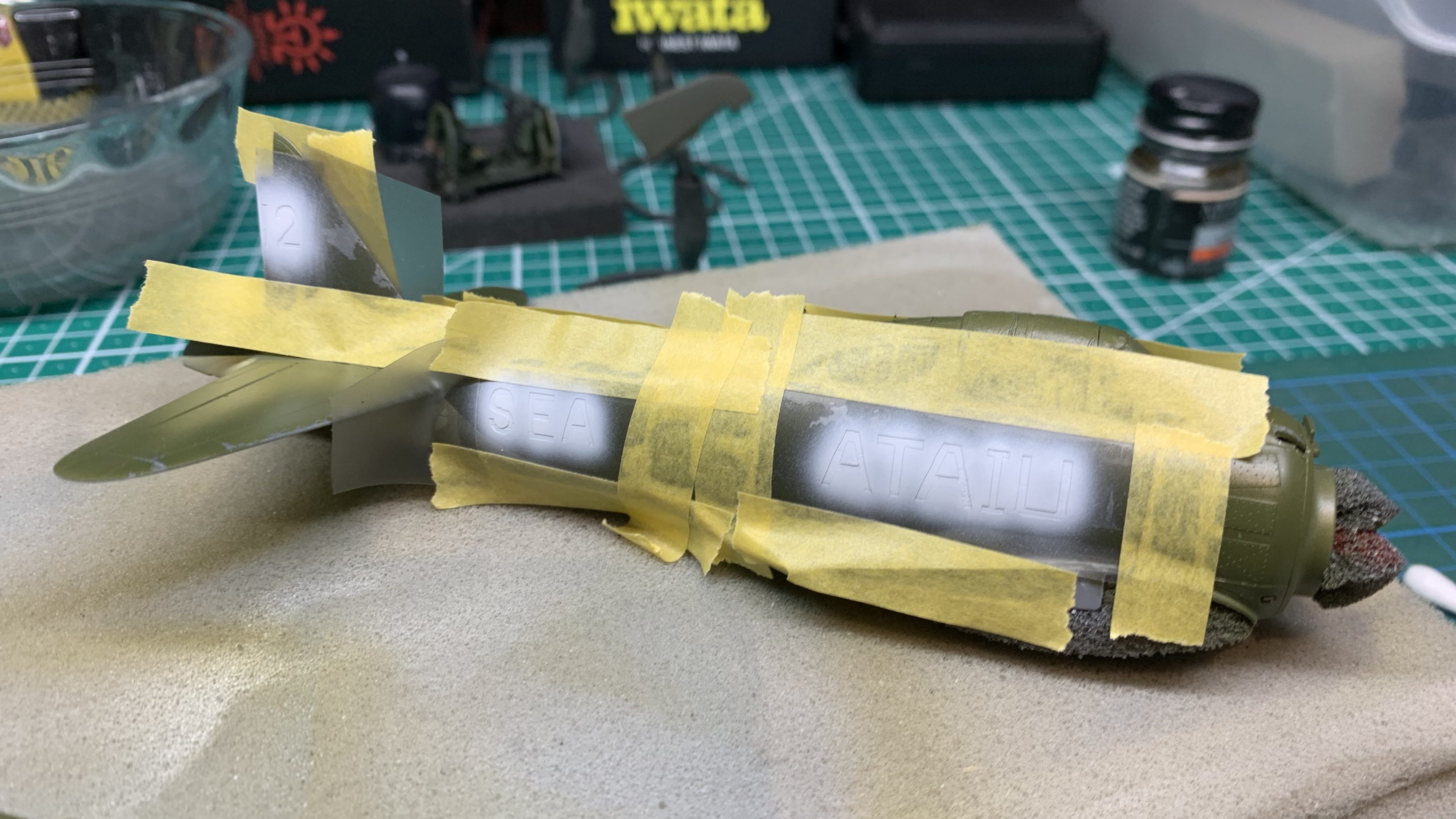
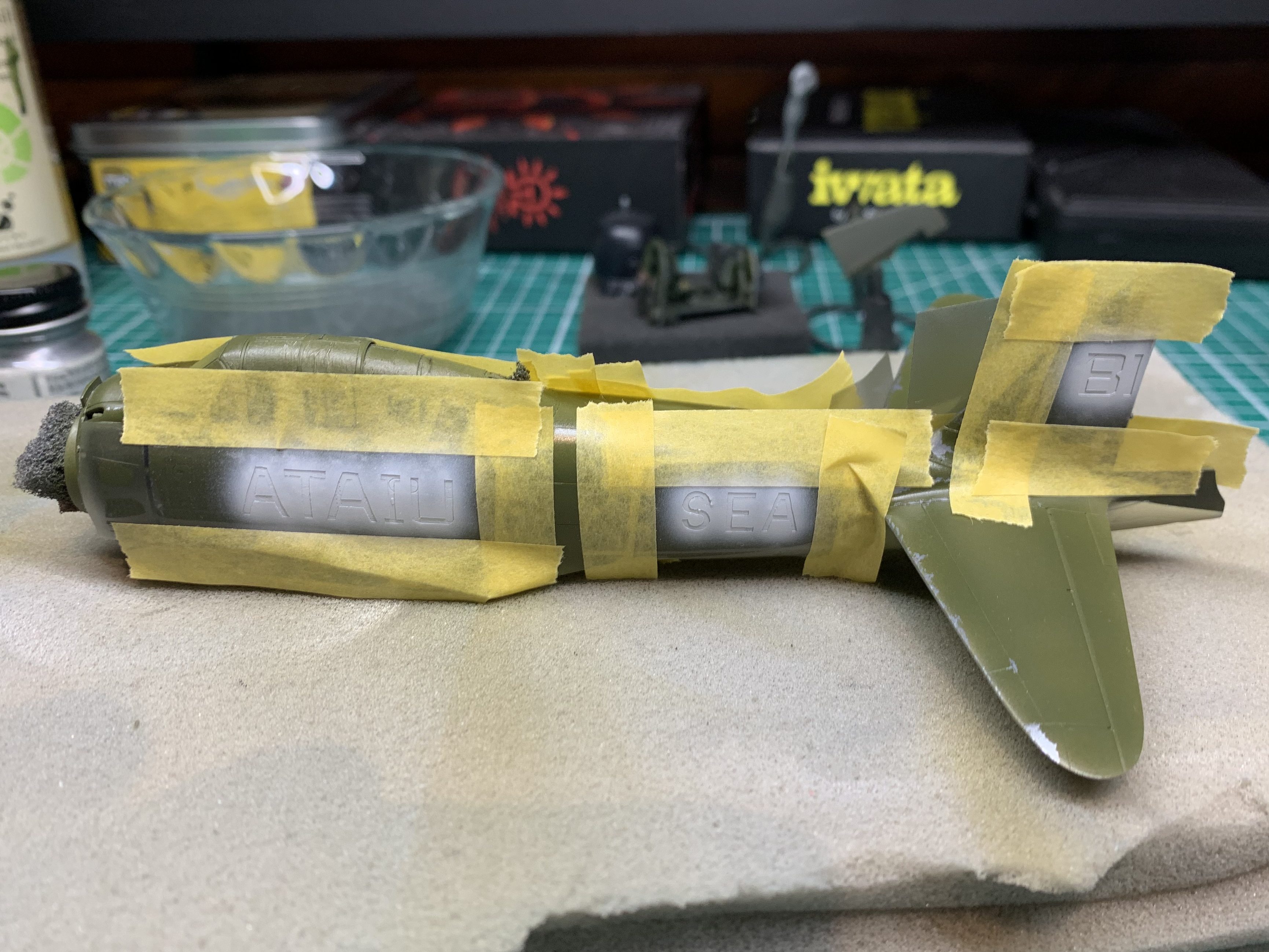
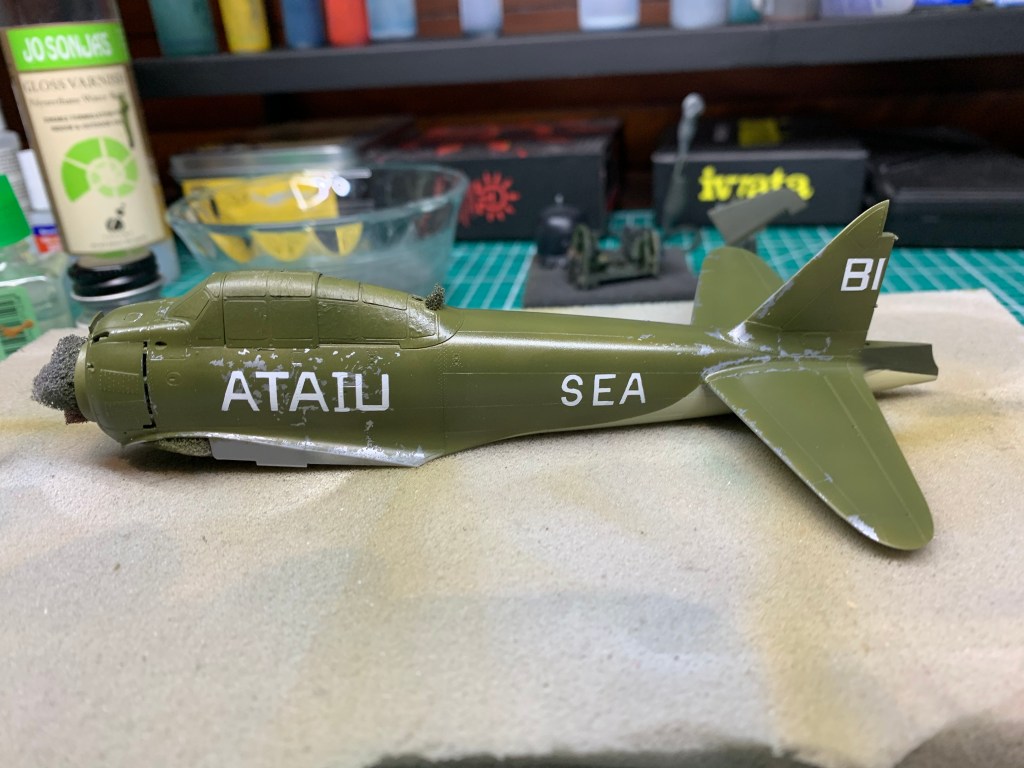
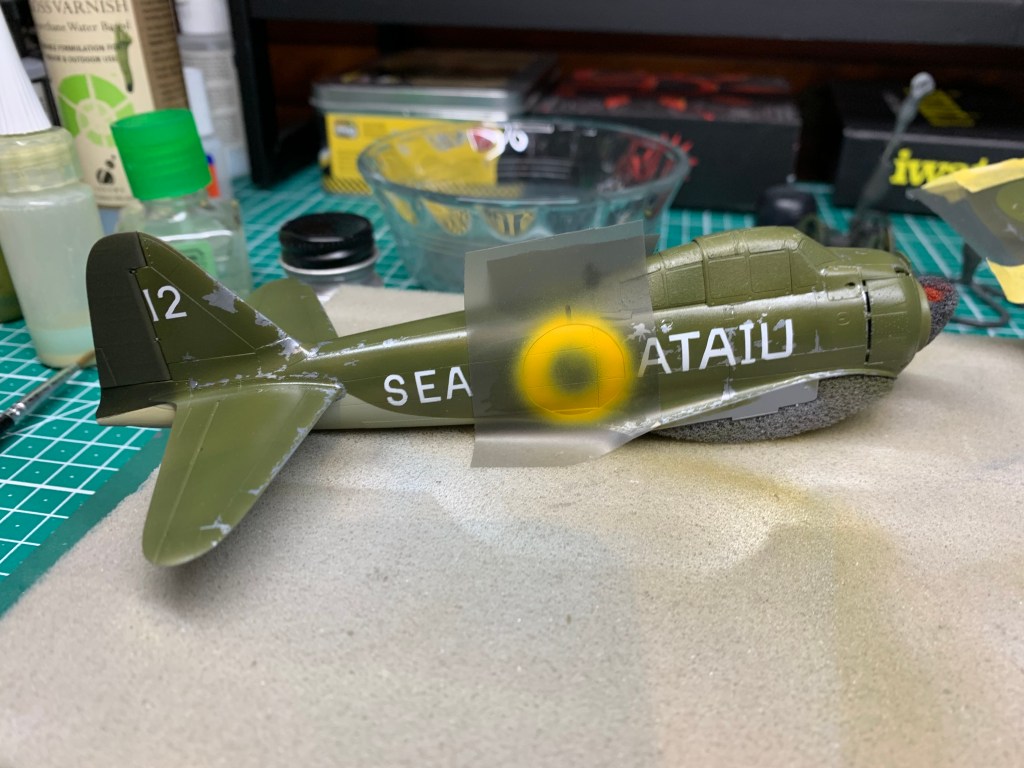
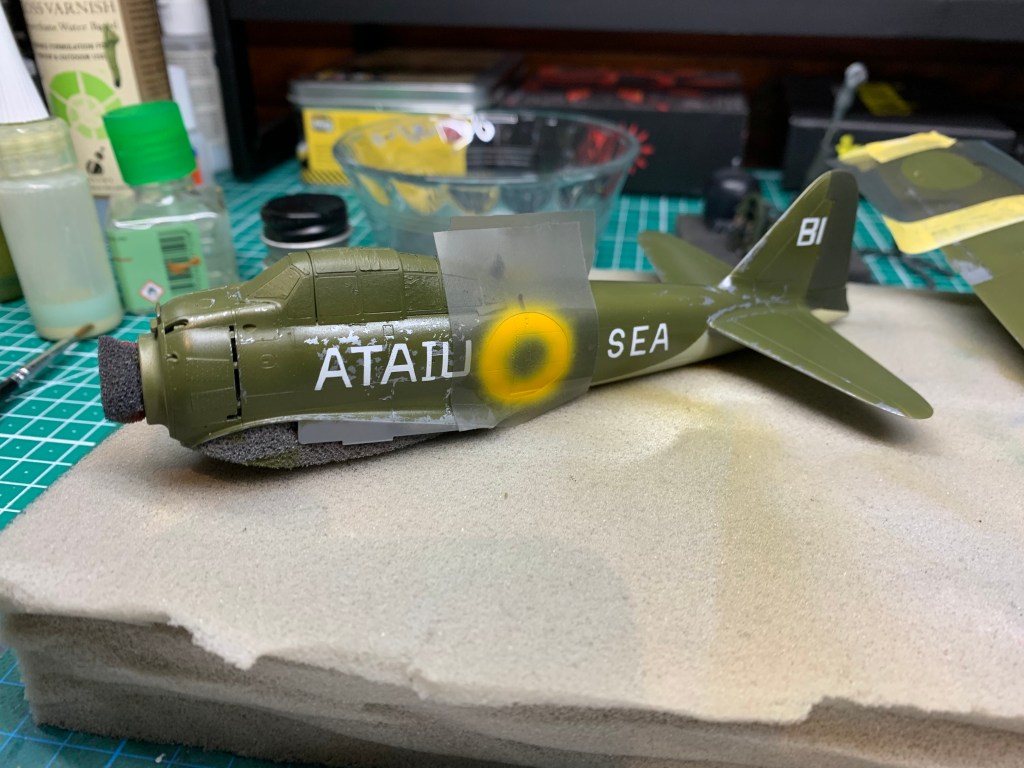
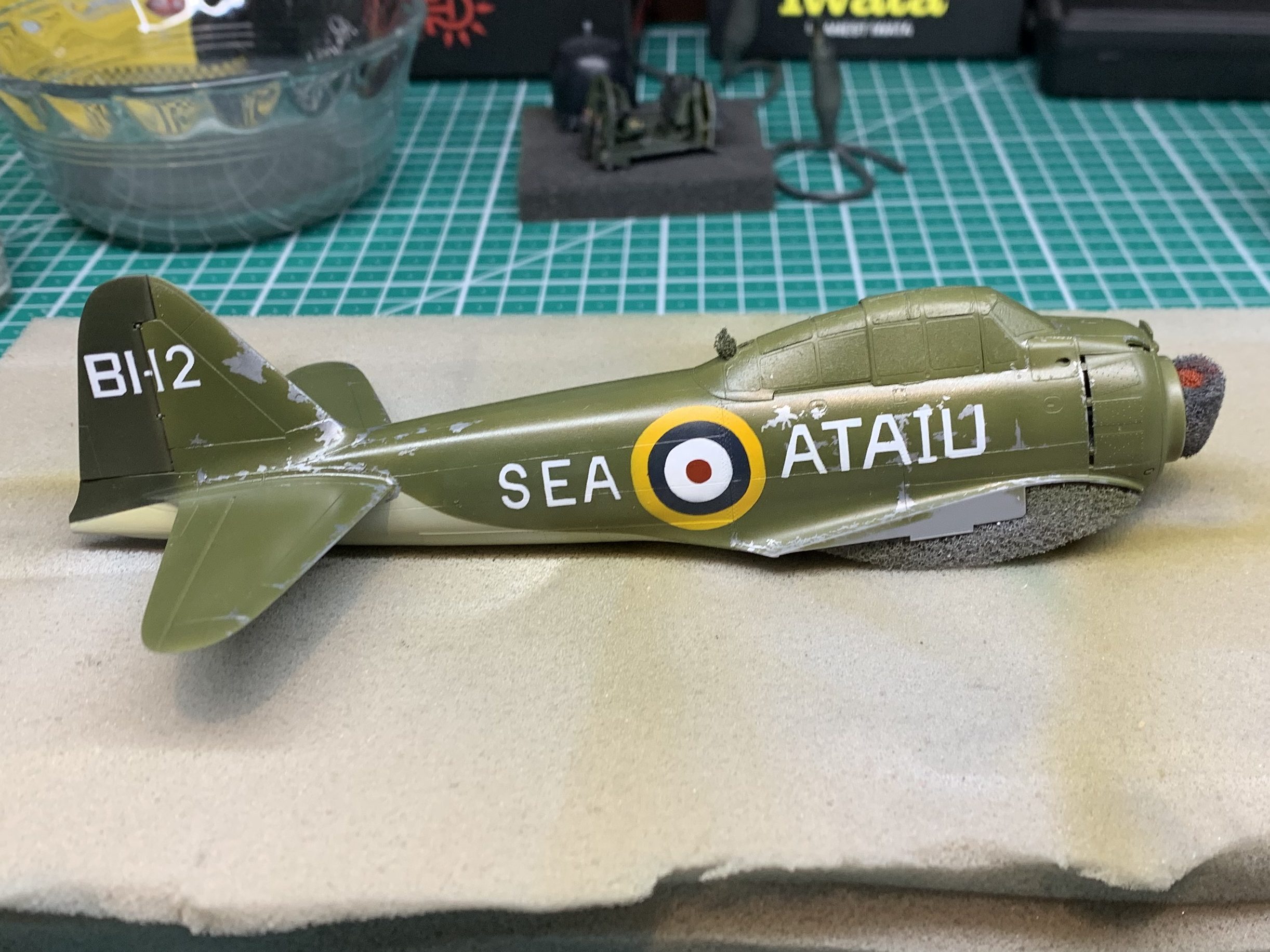
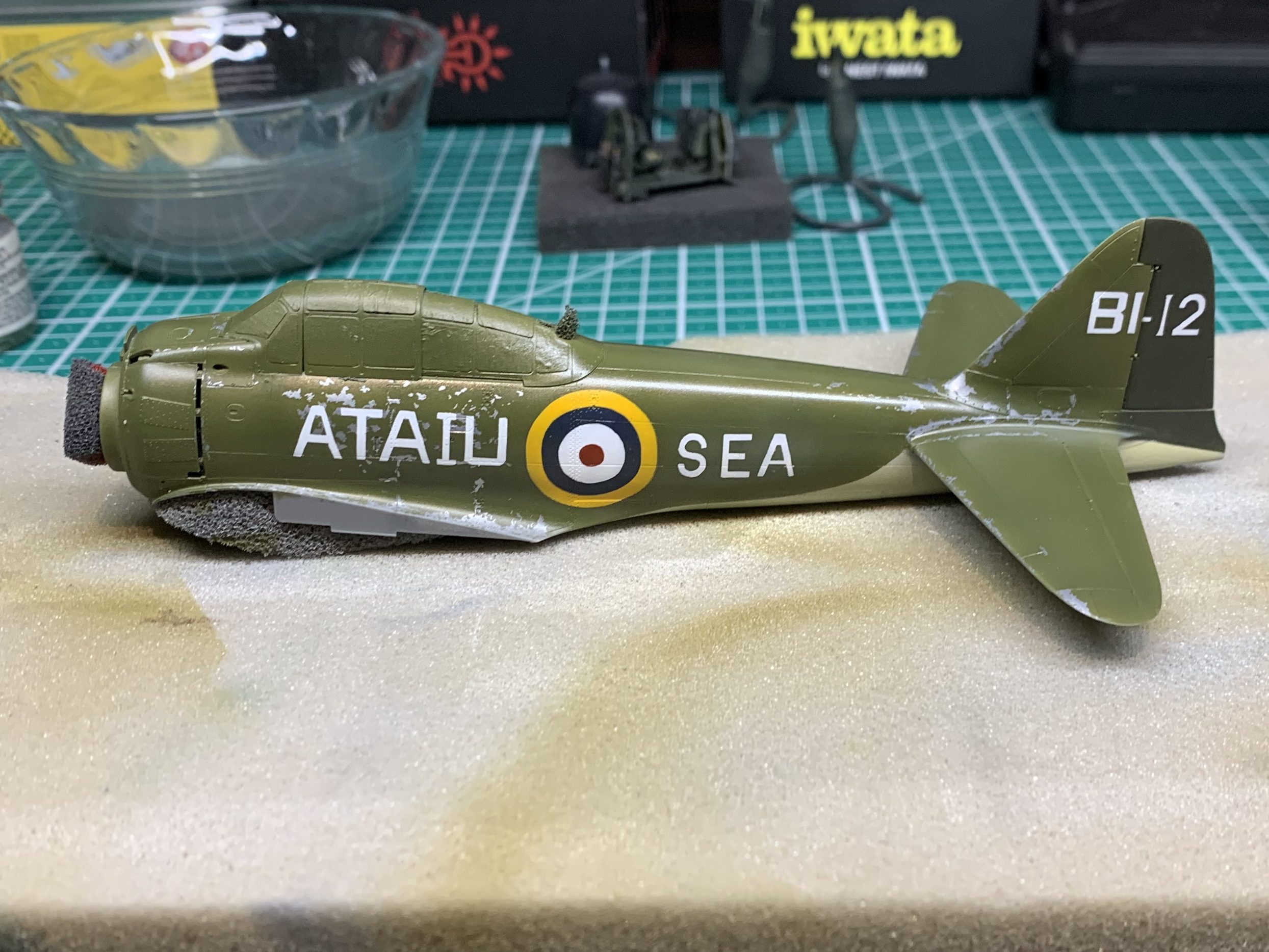
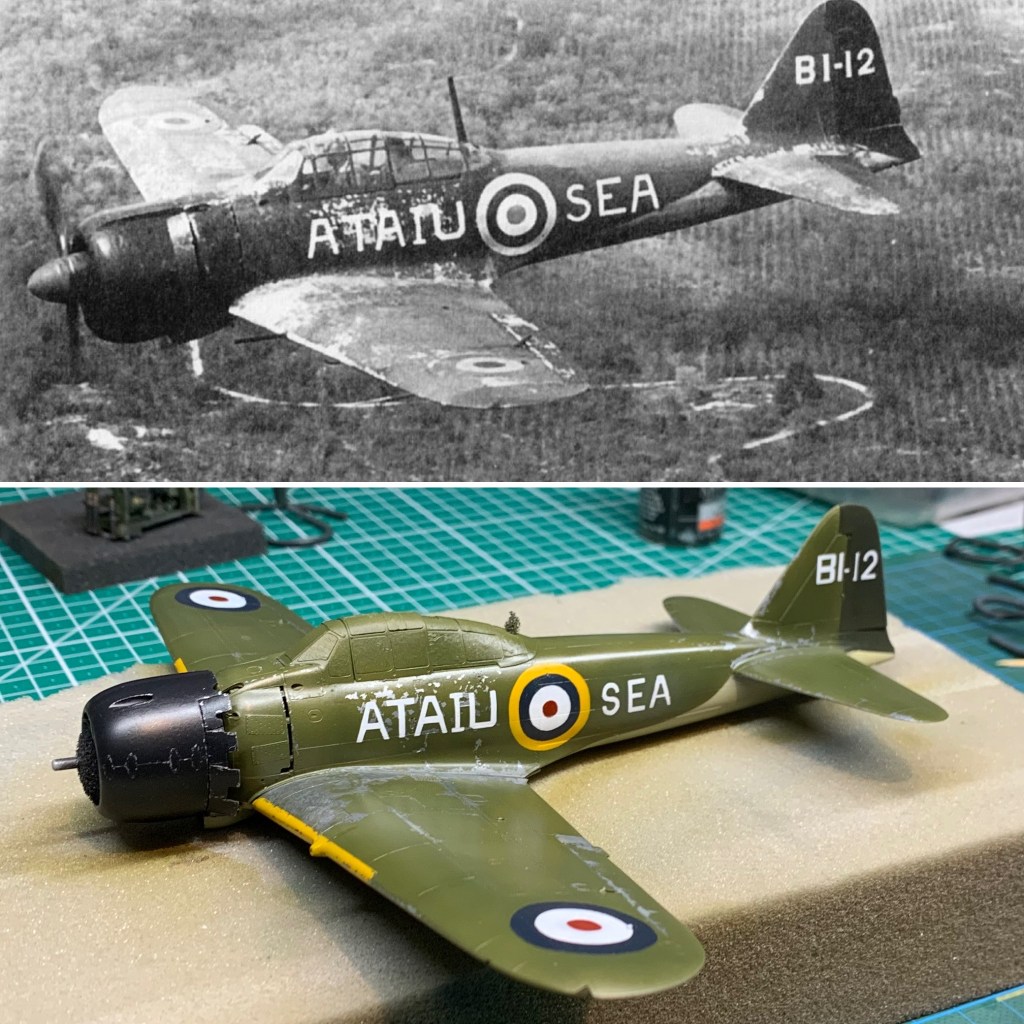
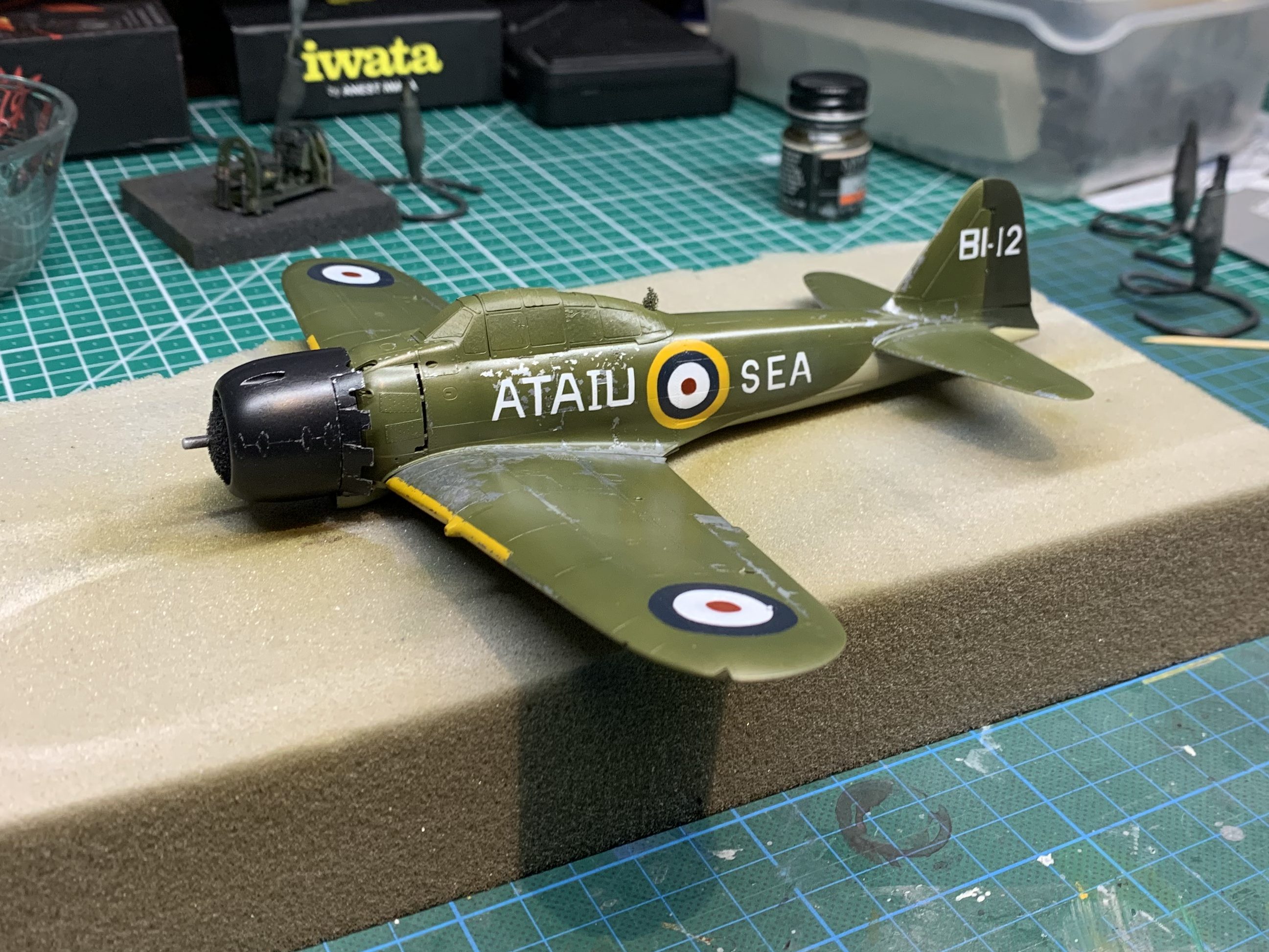
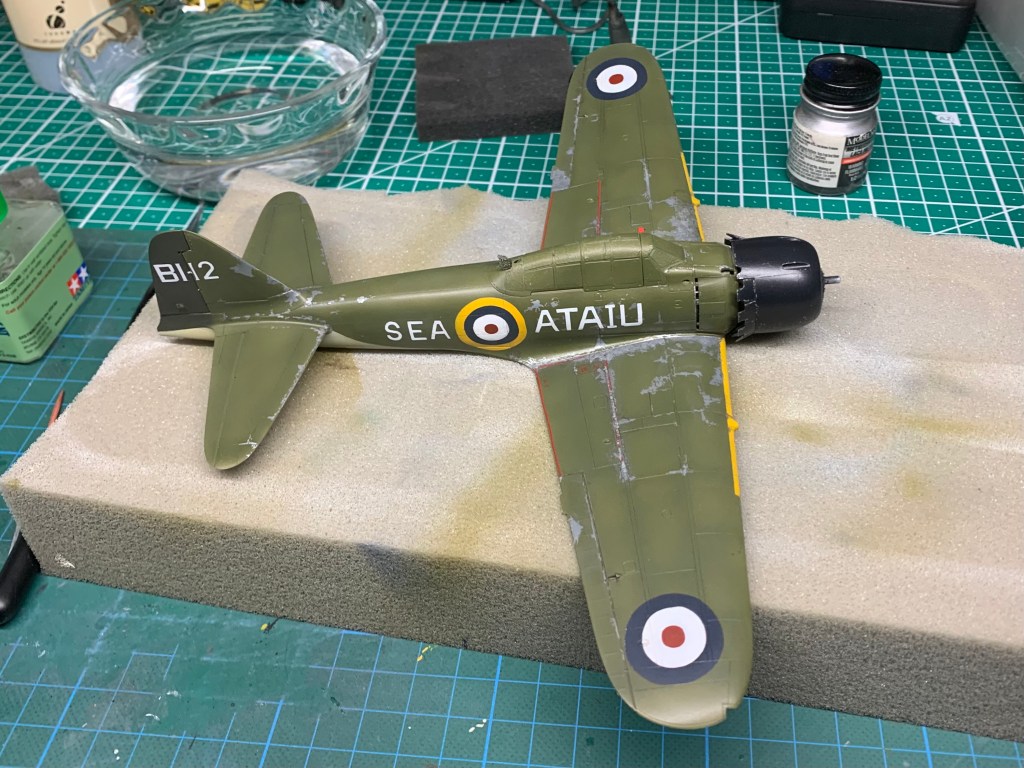
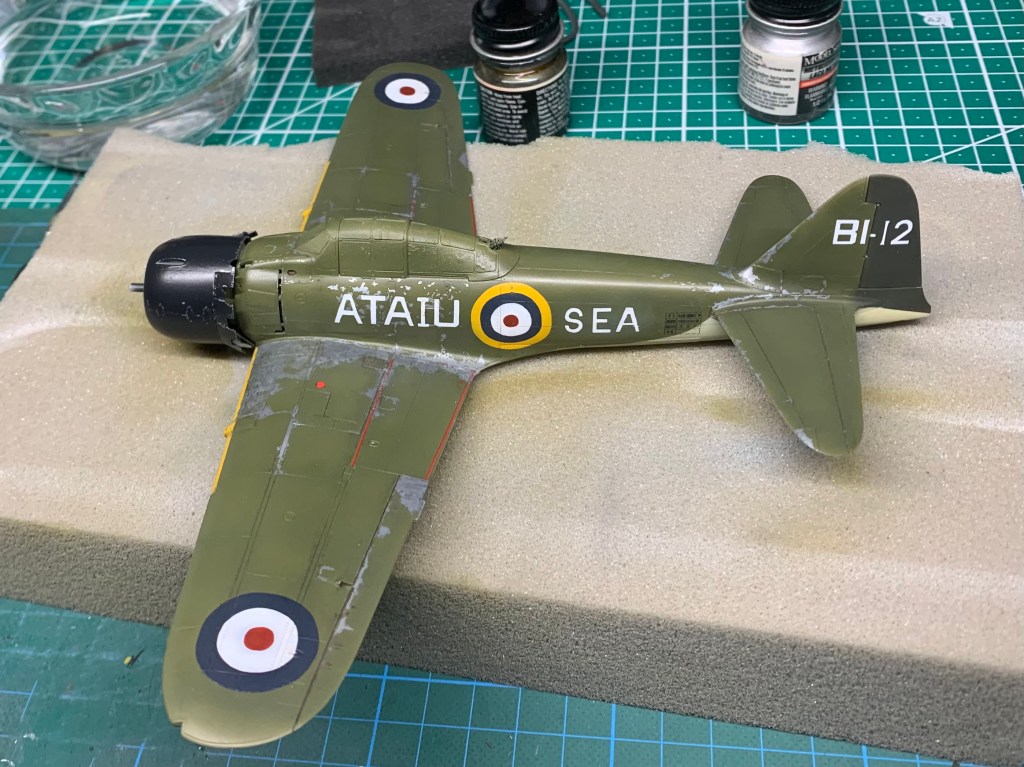
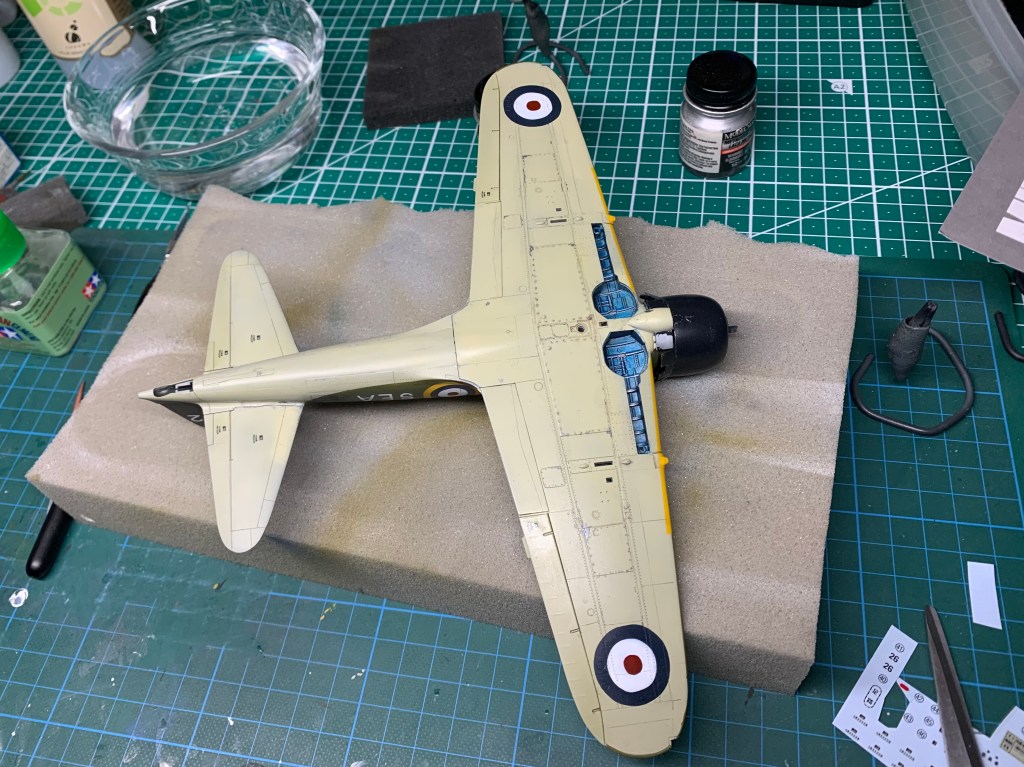
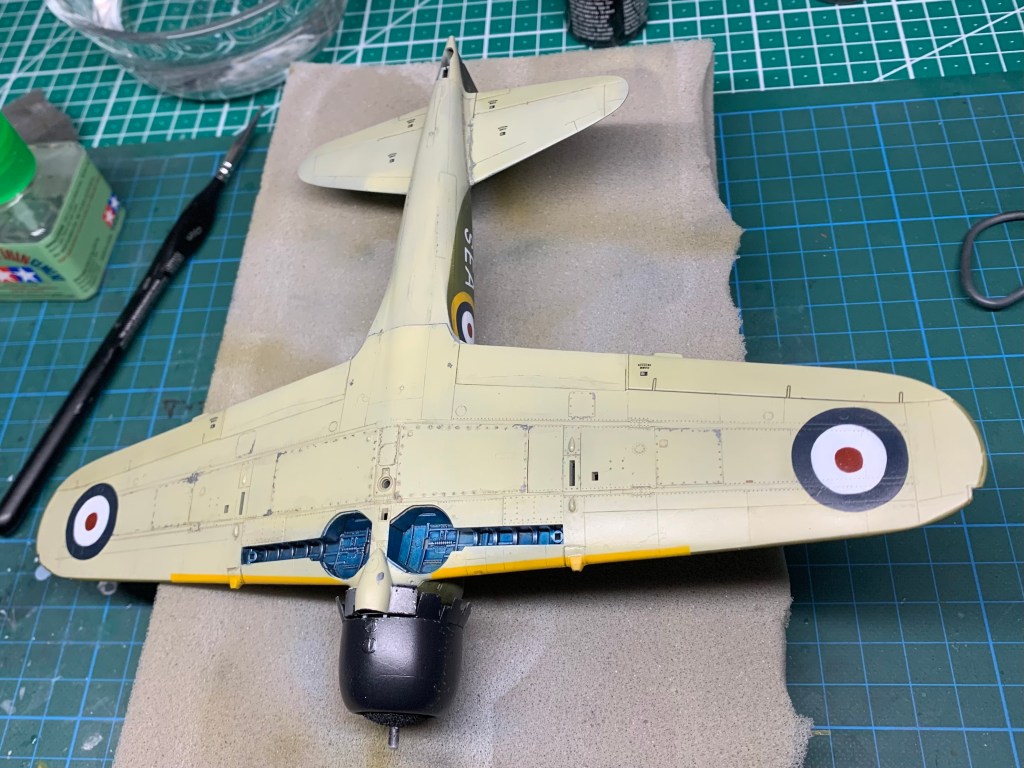
Did you spot the glaring mistake. I didn’t[t until someone pointed out that the starboard side should read ATAIU o SAE not the other way around.
Finish
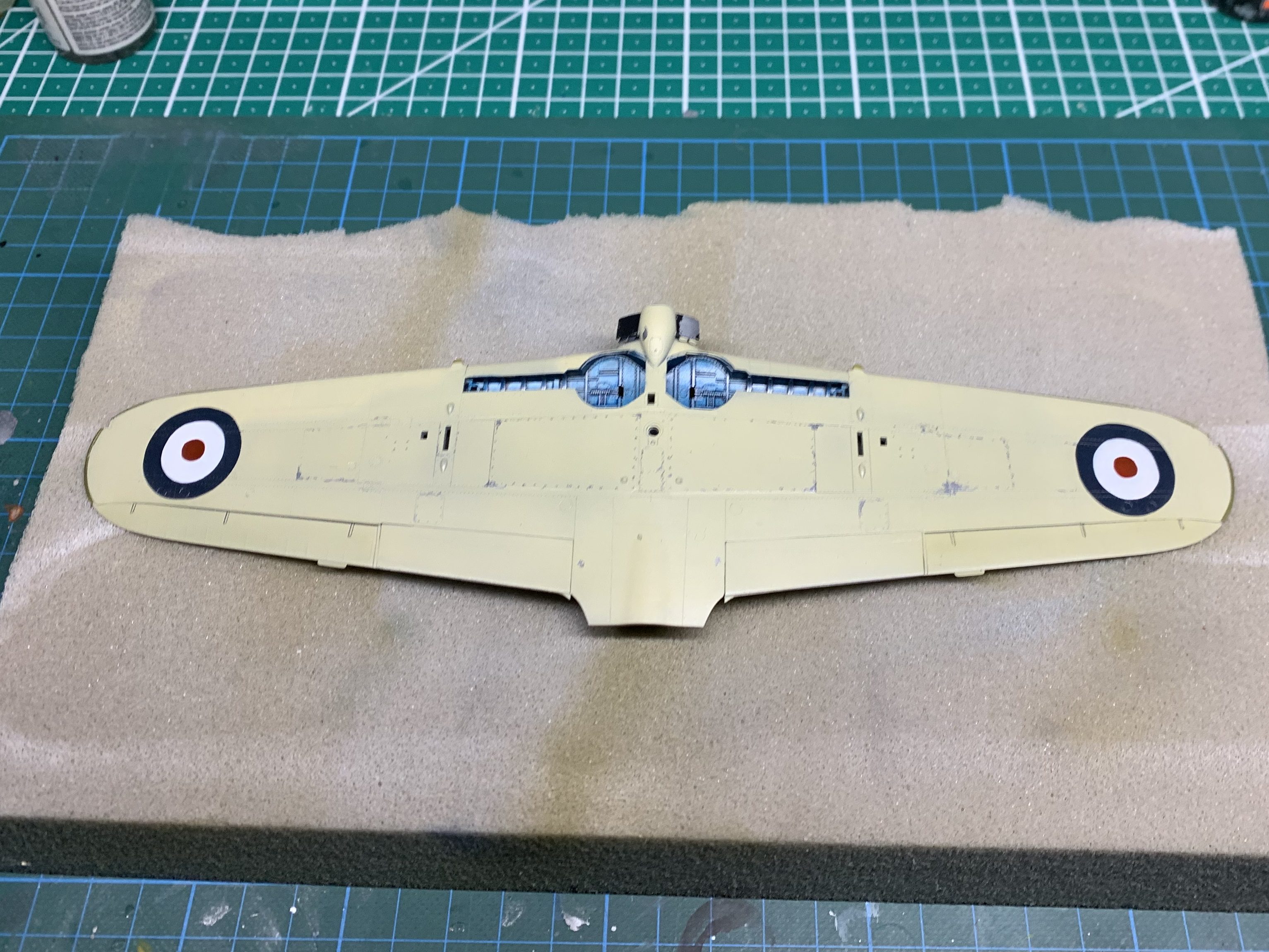
I didn’t add much weathering on top of the paint chipping, really just some exhaust staining. Otherwise, the wrap up was straight forward with the undercarriage and minor bits and pieces.
Click on any of the images below to scroll through the gallery.
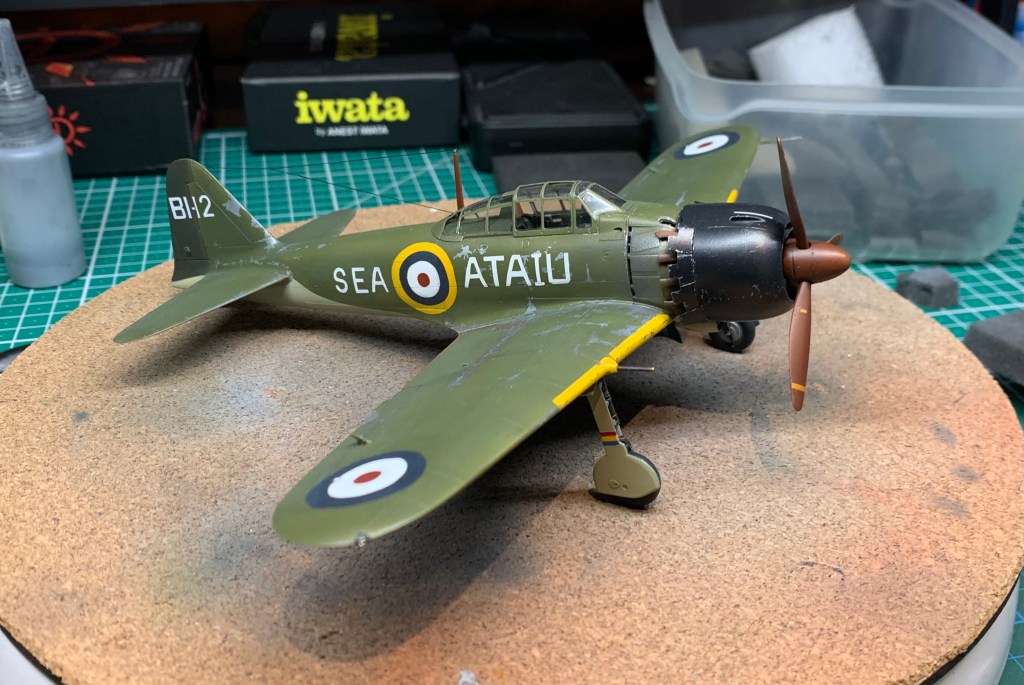
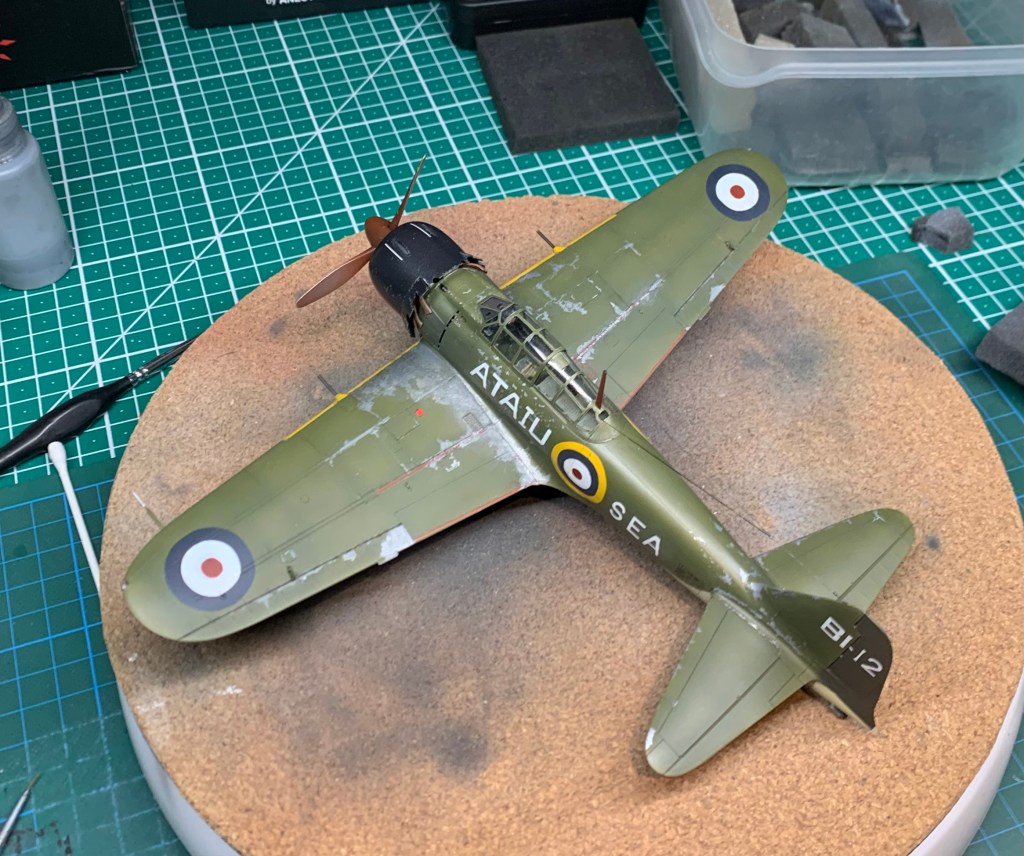
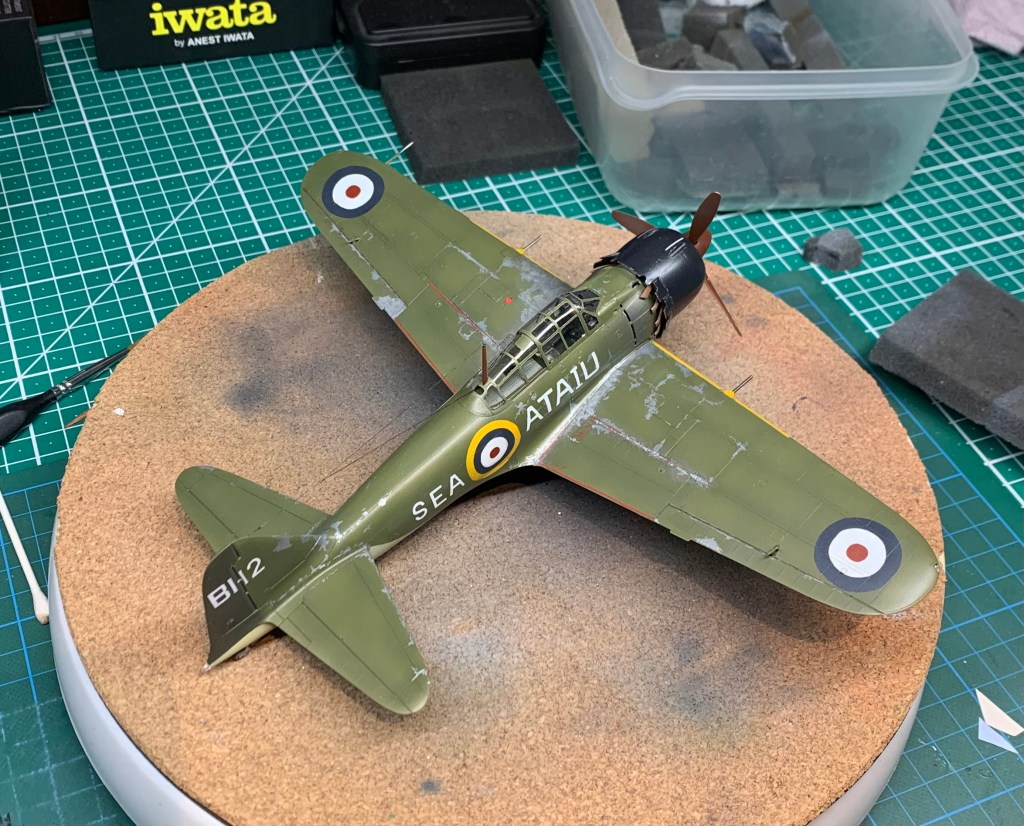
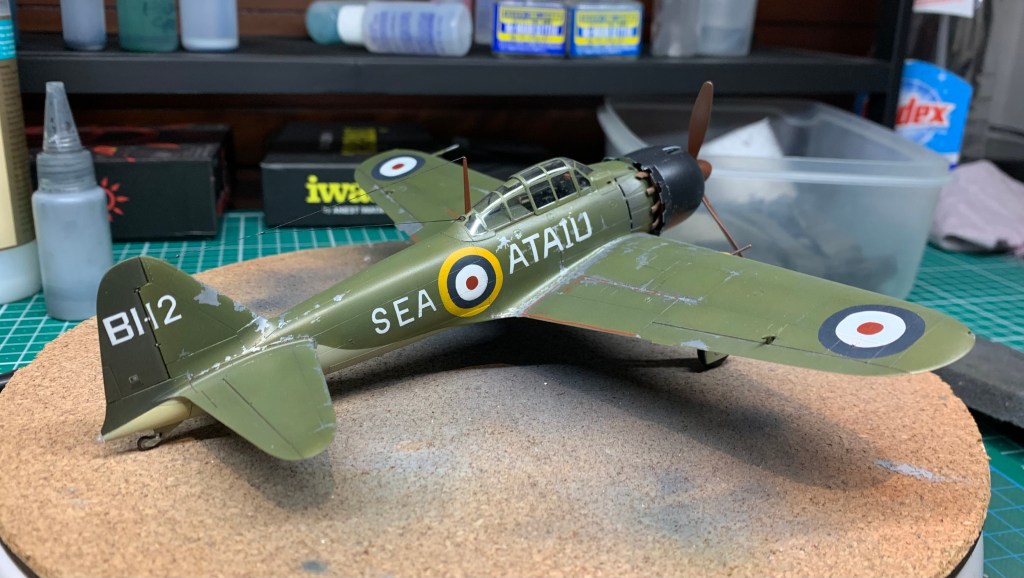
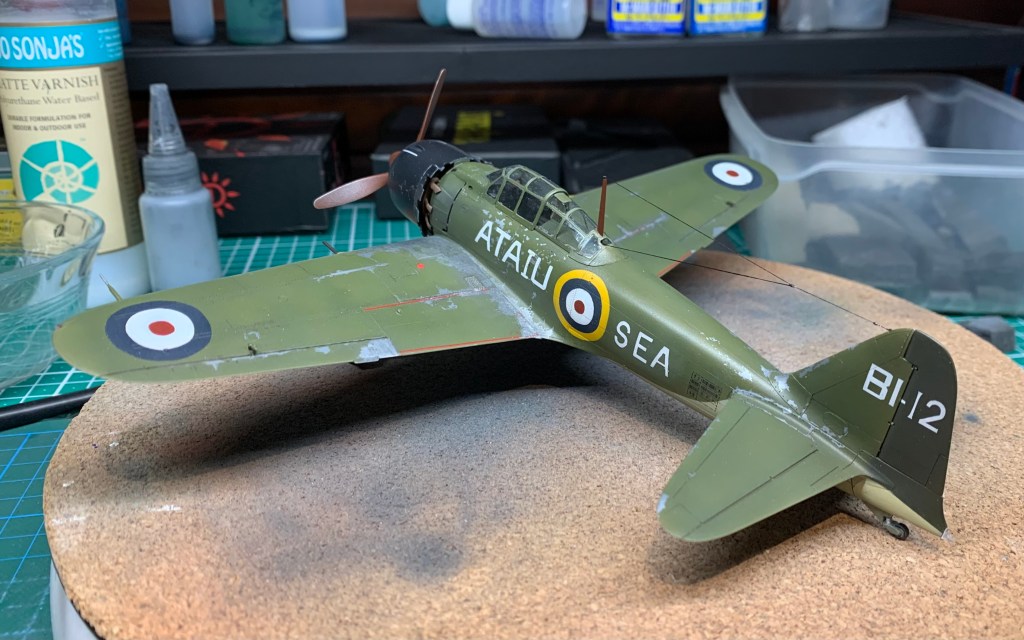
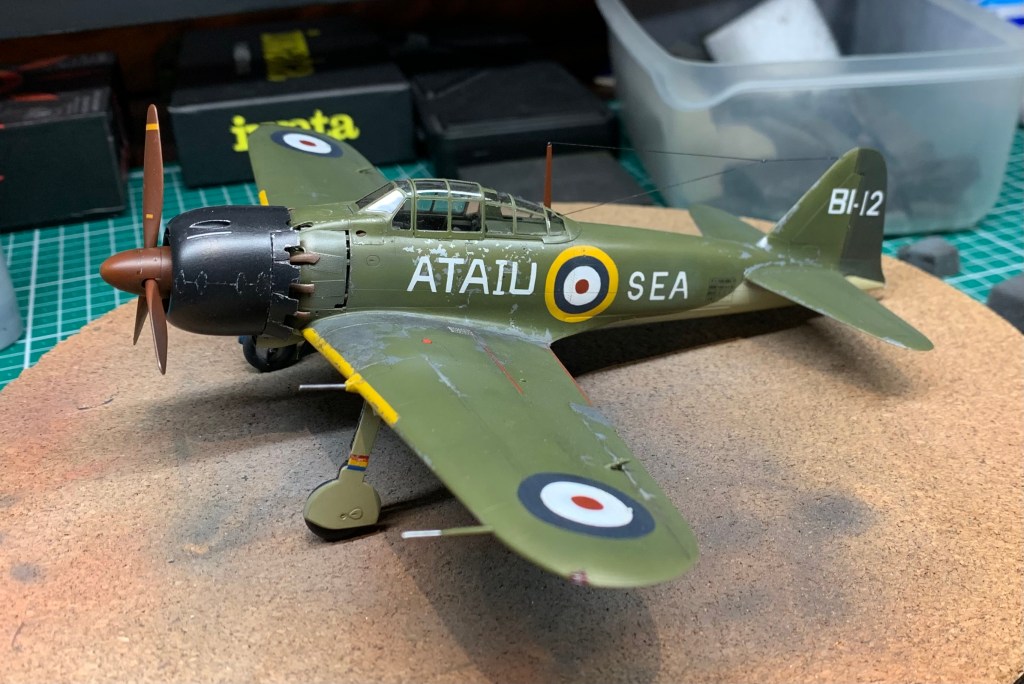
I really liked this one until the painting mistake was pointed out to me. I didn’t go back and change it because the chipping would be undone as well as writings and honestly, I didn’t care enough to do so. I’ll make it up on my next ATAIU project, a KI-46 “Dinah”.
Gallery


References and Sources
References and further reading.
- https://en.wikipedia.org/wiki/Technical_Air_Intelligence_Unit
- https://www.silverhawkauthor.com/post/warplanes-of-japan-captured-aircraft-examined-by-allied-technical-air-intelligence-units-ataiu-south-west-pacific-area-swpa
- https://captured-wings.fandom.com/wiki/ATAIU-SEA
- https://www.awm.gov.au/articles/second-world-war
- https://j-aircraft.com/research/jas_jottings/end_of_the_jaaf_and_jnaf.htm
- https://www.nasic.af.mil/About-Us/Fact-Sheets/Article/611728/national-air-and-space-intelligence-center-heritage/
Copyright ©2025
This article, its text, and photos of the model is my original work and is protected by copyright in its entirety, except where noted. All research sources are listed in the References and Sources section above, including photos from official sources. All other images and quoted content were sourced from the internet and are used here under protection of fair-use. Any copyrighted content inadvertently posted will be happily removed and/or credited forthwith upon request by its rightful owner.




Leave a Reply